

Japan is a land of beautiful contrasts that often leaves visitors speechless. You can stand under the neon lights of a giant skyscraper in Shinjuku one minute and walk through a silent, ancient wooden shrine the next. For many travelers from the UK and North America, this country is a “bucket list” dream. It represents the perfect mix of high-tech efficiency and deep-rooted tradition. However, Japan’s weather and crowds change significantly throughout the year. What looks like a perfect photo on social media might actually be a very crowded reality if you pick the wrong week. Choosing the best time to visit Japan is the most important part of your planning process. It is the true difference between a crowded, stressful holiday and a peaceful, transformative experience. In this guide, we will help you pick the perfect month for your journey by looking at the weather, local culture, and travel patterns. We want to ensure that your trip to the Land of the Rising Sun is perfectly timed to match your interests, whether you want to see snow-capped mountains or quiet, blooming gardens.
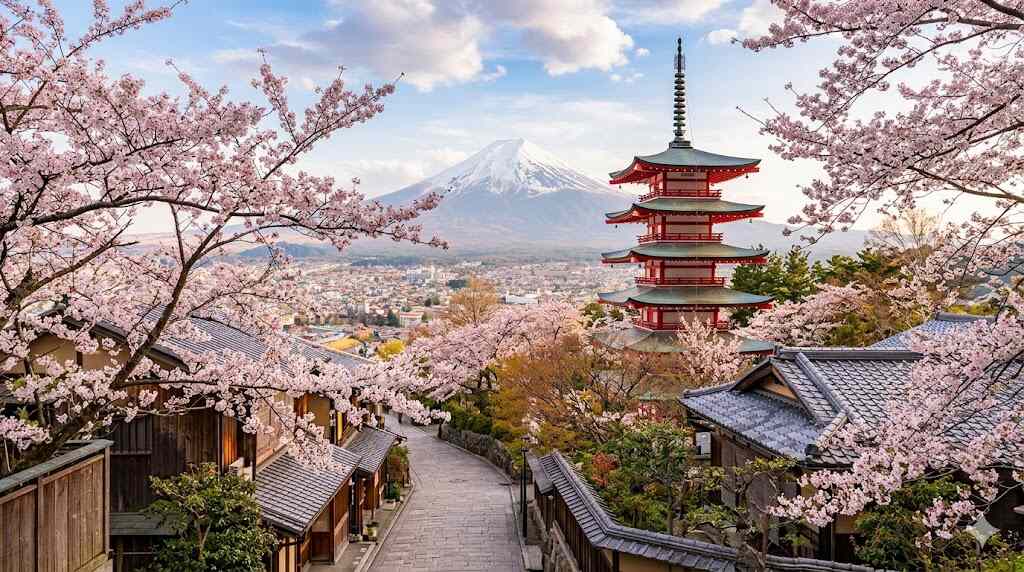
Each season in Japan feels like a completely different country because the landscape and atmosphere shift so dramatically. Depending on what you want to see, here is the breakdown of the best times to fly over. In the spring, everyone thinks of the pink cherry blossoms (Sakura). While they are stunning, the parks get very busy in late March and early April, and hotel prices often double. If you want a better experience, late May is actually the best period to go Japan. By this time, the “Golden Week” (a series of busy Japanese national holidays) is over. The weather is warm and pleasant without being humid, the trees are a stunning lush green, and the famous tourist sites are much quieter. You get the beauty of the gardens without the elbow-to-elbow crowds of the blossom season.
If you prefer hiking and photography, November is widely considered the best time to see Japan. This is when the maple trees turn a brilliant fiery red and deep orange—a phenomenon known as Koyo. The air is crisp, cool, and dry, which makes it perfect for walking through the historic streets of Kyoto or hiking in the Japanese Alps. Unlike the cherry blossoms, which last only a week, the autumn colors stay vibrant for nearly a month. This gives you a much wider window to enjoy the views. Winter in Japan is also magical, especially in the north. From December to February, Hokkaido offers world-class skiing with “Japow”—the famous light, powdery snow. Even if you aren’t a skier, the Sapporo Snow Festival is a good time to go Japan to see giant ice sculptures. It is also the best season to soak in an outdoor hot spring while snow falls around you. Finally, summer is hot and humid, but it is the season of Matsuri (festivals) and incredible fireworks displays that light up the night sky across the country.
Coming from the West, some parts of Japan will feel like a leap into the future, while others feel like a step back in time. To get the most out of your trip, you should balance modern attractions with deep cultural immersion. For modern wonders, start with Shibuya Sky. This rooftop observatory offers the best 360-degree view of Tokyo, allowing you to see the famous “Scramble Crossing” and even Mount Fuji on a clear day. Another must-see is teamLab Planets in Toyosu. This is an immersive, “body-on” art gallery where you walk through water and interact with digital flowers and light installations. It is a favorite for visitors from the UK and US because it is unlike any museum in the West. To move between these wonders, you will use the Shinkansen (Bullet Train). Traveling at 300 km/h is an experience in itself, offering a smooth and punctual ride that makes Western trains feel very outdated. Always remember to buy an Ekiben (a special train bento box) at the station before you board; it is a delicious tradition for long-distance travel.
To truly understand Japan, you must also try the traditional lifestyle. This starts with a stay in a Ryokan, a traditional inn with tatami mat floors, sliding paper doors, and futon beds. It is the height of Japanese hospitality (Omotenashi). For those who love the outdoors, walking the Nakasendo Way is essential. This ancient path once connected Kyoto and Tokyo during the Edo period. Walking between the preserved “post towns” like Magome and Tsumago feels like walking through a historical movie set. You should also experience an Onsen (hot spring). While these are a huge part of the culture, remember that some traditional spots still have rules about tattoos. However, many modern locations are now “tattoo-friendly” to accommodate international guests. If you want to escape the crowded “Golden Route,” try visiting Kanazawa, often called “Little Kyoto” for its samurai districts, or Naoshima, a tiny “Art Island” in the Seto Inland Sea filled with world-class museums and outdoor sculptures.
Japan is one of the safest and most welcoming countries in the world, but it works quite differently than the UK or North America. Knowing a few local secrets will help you navigate the country like a pro. One of the biggest challenges for Western travelers is handling large suitcases on public transport. Japanese trains have limited luggage space, and dragging bags through busy stations is exhausting. The solution is Takkyubin, Japan’s incredibly efficient luggage forwarding service. You can send your bags from your hotel in Tokyo directly to your hotel in Kyoto or Osaka for a small fee. Your bags will usually arrive the next morning, allowing you to travel hands-free with just a small backpack. This service is available at most hotel front desks and even some convenience stores. It is a game-changer for anyone planning to visit multiple cities.
Communication and money are also key areas where you need to prepare. While Japan is a high-tech nation, it remains a surprisingly cash-heavy society. Many small ramen shops, traditional craft stores, and mountain shrines do not accept credit cards. Always keep a good amount of yen in your wallet for these moments. For connectivity, don’t rely on public Wi-Fi, which can be spotty and hard to log into. Instead, order an eSIM or a “Pocket Wi-Fi” device before you leave home so you can use maps and translation apps instantly. Finally, understand the local etiquette regarding service. In Japan, tipping is not practiced and can actually be seen as confusing or even rude. Excellent service is simply expected as part of the culture, so there is no need to add 15% or 20% to your bill. Simply saying “Arigato” (thank you) is enough to show your appreciation. Following these small cultural rules shows respect and will make your interactions with locals much smoother.
Choosing the right moment for your trip ensures you see the Japan you’ve always imagined, rather than a version hidden by rain or crowds. While Japan is a wonderful year-round destination, a bespoke itinerary makes all the difference in avoiding mass-market tourist traps and finding the hidden gems that make a holiday truly special. Whether you are looking for the pink hues of spring, the lush greens of May, or the snowy peaks of winter, planning ahead is the key to success. Japan offers something for everyone, but its beauty is best experienced when you are prepared for its unique seasonal rhythm. From the food you eat to the festivals you attend, everything in Japan is tied to the time of year. By matching your travel dates to your personal passions, you ensure that your journey is not just a vacation, but a collection of perfect moments.
| Season | Best Month | Why Go? |
| Spring | Late May | Green scenery, warm weather, fewer crowds. |
| Summer | July/August | Vibrant festivals and mountain hiking. |
| Autumn | November | Stunning red leaves and perfect walking weather. |
| Winter | January | Skiing, snow festivals, and hot springs. |
Call to Action (CTA): Indian Odyssey is a UK-based travel company specializing in bespoke Japan holidays. Let us craft your perfect Japan holidays.


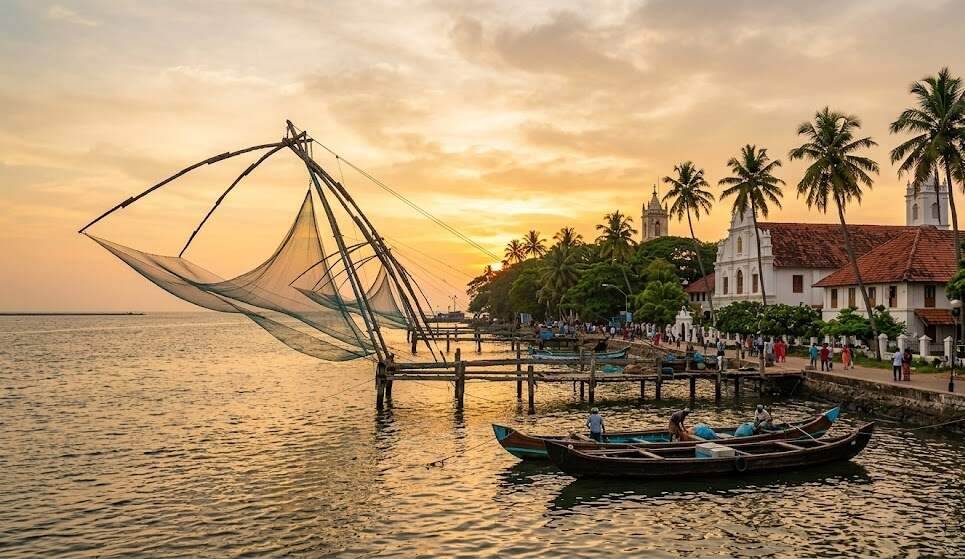
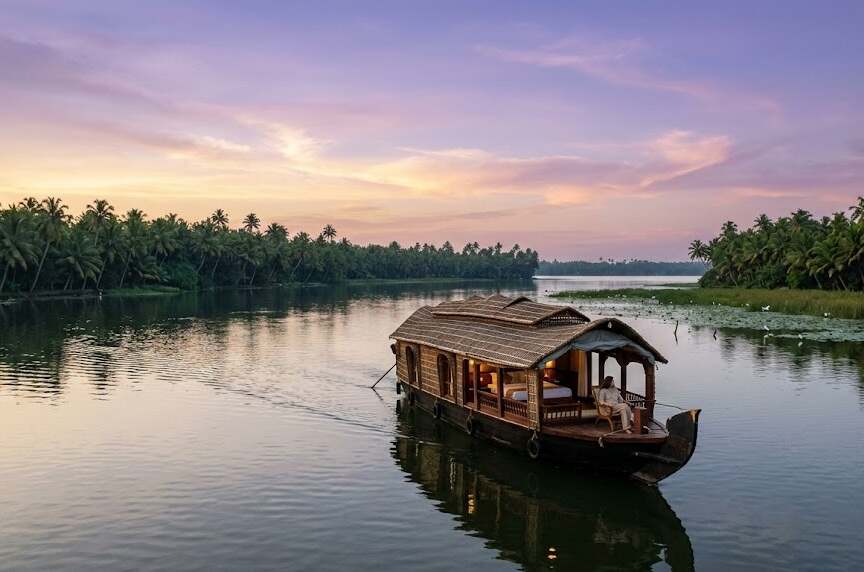
Thank you so much for all the help and expertise you gave us in organising a great holiday. I thought of writing you a feedback while it is all still fresh in my memory. We had a truly wonderful experience this time,I must say better than last time. It really helped that we stayed in good hotels and had best room choice. The highlights in chronological order would be: Kochin sightseeing of Jew Town, Old Synagogue and Chinese nets, House Boat, Rubber plantation and lunch with the wonderful host couple. Jungle trek in Thekkady and our time in Taj Green.
Thank you so much for all the help and expertise you gave us in organising a great holiday. I thought of writing you a feedback while it is all still fresh in my memory. We had a truly wonderful experience this time,I must say better than last time. It really helped that we stayed in good hotels and had best room choice. The highlights in chronological order would be: Kochin sightseeing of Jew Town, Old Synagogue and Chinese nets, House Boat, Rubber plantation and lunch with the wonderful host couple. Jungle trek in Thekkady and our time in Taj Green.
Get in touch with you for a quick chat to discuss your holiday ideas, no matter how early in your planning process you might be. It's always inspiring to discuss.