

What Does “Close of Business” Mean in Travel?
Have you ever booked a vacation and received an urgent email from your travel agent? Perhaps it said, “Please submit your payment by close of business today.” If you are unsure what exact time that means, you are not alone. In the fast-moving world of travel, missing a deadline by even an hour can result in lost reservations or higher ticket prices.
This guide explains exactly what this term means so you never miss an important travel deadline again.
What is Close of Business (COB)?
In simple terms, close of business refers to the end of a standard working day. For most companies in the United States and the United Kingdom, this time is 5:00 PM (17:00).
When a travel agency or airline asks for documents by this time, they mean you must send them before their office shuts down for the evening. Business professionals use this term to set a clear deadline without needing to specify an exact minute. However, because travel is global, “5:00 PM” can become tricky depending on your location.
Key Takeaway: If the agent does not mention a specific time zone, assume COB means 5:00 PM in the time zone of the person or company asking for the information.
Why COB Matters for Travelers
In the travel industry, timing is everything. Airlines and hotels hold reservations for a limited time. If you do not confirm a booking by the agreed COB, the computer system might automatically cancel your spot.
Here is why you should take this deadline seriously:
- Ticket Holds: Airlines often guarantee a price only until the end of the business day.
- Visa Processing: Embassies stop accepting applications after their specific business hours.
- Payment Processing: Banks may not process transfers sent after working hours until the next day.
If you miss this window, you might lose a cheap flight deal or delay your vacation visa.
The “Time Zone” Logic: Whose 5:00 PM is it?
This is where travelers often get confused. If you are in California, but your travel agent is in New York, whose time do you follow?
Always follow the time zone of the business requesting the action.
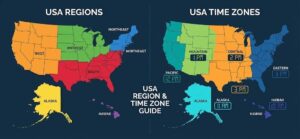
Let’s look at a logical example. Imagine you need to send a passport copy to a travel agency in London.
| Your Location | Agency Location | Deadline (COB) | Your Local Deadline Time |
| New York (EST) | London (GMT) | 5:00 PM London Time | 12:00 PM (Noon) |
| Los Angeles (PST) | New York (EST) | 5:00 PM New York Time | 2:00 PM |
If you wait until 5:00 PM in New York to email the London agency, their office will already be closed. Their staff will have gone home hours ago. To show experience in travel planning, always check the agency’s location first.
COB vs. EOD: What is the Difference?
You might also see the term EOD (End of Day). While they sound similar, they often mean different things in business contracts and travel agreements.
- Close of Business: Usually 5:00 PM. This implies the time when staff leaves the office.
- End of Day: Often means 11:59 PM (Midnight) on that specific date.
If a hotel says, “Cancel for free by COB,” aim for 5:00 PM. If they say “by EOD,” you likely have until midnight. However, to be safe and trustworthy, treating both as 5:00 PM is a smart habit.
3 Tips to Handle Deadlines Like a Pro
To ensure your travel plans go smoothly, follow these simple steps whenever you see a business deadline:
- Ask for Clarification: If an agent says “by Tuesday COB,” simply reply: “Do you mean 5:00 PM Eastern Time?” This removes all doubt.
- Don’t Wait Until the Last Minute: Technical glitches happen. If the deadline is 5:00 PM, try to send your details by 4:00 PM.
- Check Public Holidays: Business hours change on holidays. A “Monday deadline” might move to Tuesday if Monday is a national holiday in the country you are visiting.