

Picture yourself sitting on a cool floor in a tropical paradise. Outside, lush green palm trees wave gently in the wind. You will not see a standard ceramic plate in front of you. Instead, a fresh, bright green banana leaf awaits your meal. This is not just lunch; it is the start of a delicious journey into Kerala cuisine. For many people in the US and Europe, Indian food usually means creamy butter chicken and fluffy naan bread. However, India is a huge country with many different food cultures. Down in the south, specifically in the coastal state of Kerala, we hold a unique culinary treasure. We call this traditional feast the “Sadya.” It is famous for its incredible taste, its massive size, and the beautiful way we serve it.
When you sit down for this meal, you join a tradition that is hundreds of years old. This experience appeals to every one of your senses. You see the vibrant colors of the curries against the deep green leaf. You smell the rich aroma of pure coconut oil and roasted spices. You feel the warmth of the food with your hands. This guide will explain everything you need to know about this amazing feast. We will cover what to eat, how to eat it correctly, and why this meal is so healthy. If you are a traveler who loves trying new things, this guide is for you. Get ready to explore a meal that looks like a painting and tastes like pure magic.
Related Post: Best Authentic Ayurvedic Retreats in Kerala for Westerners (2026 Guide)
What is a Kerala Sadya?
A Sadya is a grand vegetarian feast that people in Kerala eat during special celebrations. You will mostly see it during Onam (the harvest festival), Vishu (the New Year), or at traditional Hindu weddings. The word “Sadya” translates roughly to “banquet” or “communal feast.” It is a massive spread of food. A single meal can include anywhere from 24 to 28 different dishes! This size shows how generous and hospitable the people of Kerala are. We believe that no guest should ever leave hungry, so we serve a mountain of food to show our love and respect.
When you order Kerala meals at a restaurant or visit a local home, you will notice a strict serving system. The servers place the banana leaf in front of you with the narrow end pointing to your left. This positioning is very important. It acts as a map for the servers. They know exactly where to place each item. The small items, like salt, pickles, and ginger dip, go on the top left. The larger side dishes go on the top right. The rice always goes in the bottom center. This arrangement helps you eat comfortably. It ensures that you can mix the right amount of spice, sweet, and sour flavors with your rice in every bite. It turns a simple lunch into an organized and beautiful event.
Related Post: The Complete Travel Guide to Wayanad, Kerala, India
The Science Behind the Banana Leaf
You might ask, “Why do you eat off a leaf instead of a plate?” It is not just an old habit; real science supports this tradition. The banana leaf contains natural plant compounds called polyphenols. These are the same healthy antioxidants that you find in green tea. When the servers put hot food on the fresh leaf, the heat releases these nutrients. The food absorbs them immediately. This process adds a nice, earthy flavor to the meal and makes it healthier for you. It is like a natural vitamin boost right from your plate.
Also, the banana leaf is incredibly clean. It possesses a waxy coating that stops dirt and dust from sticking to the surface. In Malayalee food culture, hygiene is the top priority. Before we serve food, we sprinkle water on the leaf to clean it one last time. It acts as a waterproof, chemical-free, and eco-friendly plate. Once you finish eating, the leaf goes back to nature. Cows often eat them, or they become compost for the soil. This cycle creates no plastic waste and requires no dishwashing chemicals. In a modern world full of trash, eating off a leaf is a great way to respect the environment while you enjoy a fresh meal.
Related Post: The Western Ghats: India’s UNESCO Biodiversity Guide
The Star Ingredients
Kerala is famous around the world as the “Land of Spices.” Our food proves that this title is correct. We use ingredients that grow locally in our rich, dark soil. The tropical weather, with plenty of heavy rain and bright sun, helps plants grow fast. The three most important ingredients in our cooking are coconut, rice, and spices. Almost every dish on the banana leaf will contain these three things. They serve as the foundation of our flavor profile.
First, let’s look at the coconut. It is the king of Kerala cuisine. We use pure coconut oil for frying, which creates an amazing smell. We use grated coconut to give a nice texture to vegetables. We squeeze fresh coconut milk to make thick, creamy sauces. Second is the rice. We do not eat the sticky white rice that you might see in supermarkets. We eat “Red Matta Rice.” This rice is large, reddish, and full of fiber. It has a nutty taste and keeps your stomach full for hours. Finally, we have the spices. We use black pepper, cardamom, ginger, and turmeric. Kerala supplied these spices to the rest of the world for centuries. They make the food taste great and also help fight off sickness.
Related Post: Silent Valley National Park in Kerala: A UNESCO
Breaking Down the Dishes
A full course of Kerala meals works like a musical orchestra. Every dish plays a specific instrument or role. Some dishes are crunchy, some are sour, some are spicy, and some are sweet. When you eat them together, they create a perfect harmony in your mouth. The meal starts with the “crunchy snacks.” You will find “Upperi,” which are thin, crispy banana chips. Next to them sits “Sarkara Varatti,” which are thick banana chunks coated in sweet jaggery sugar. These sit on the bottom left of your leaf. They wake up your mouth with sweet and salty flavors.
Next, you will see the pickles. These are usually spicy mango or lime pickles that pack a punch. There is also “Inji Puli,” a dark, sticky curry made of ginger and tamarind. These items are very strong. You only need to eat a tiny bit to clear your palette. Then come the main vegetable sides. The most famous one is “Avial.” This is a mix of many vegetables cooked with yogurt and coconut. It is thick, creamy, and delicious. Another popular dish is “Thoran,” which consists of dry vegetables stir-fried with grated coconut. Finally, the main course arrives. The server puts a pile of red rice in the center. They pour “Parippu” (lentil curry) and ghee over it. Later, they serve “Sambar,” a tasty vegetable stew.
Related Post: Kerala’s Wild Heart: How to Visit Periyar National Park Ethically and Efficiently
How to Eat Like a Local
This part is often the most exciting challenge for our friends from the West. We eat Malayalee food with our hands. We strictly use the right hand. In Europe and the US, people use forks and knives. However, here in Kerala, we believe that eating involves the sense of touch. When you touch the food, you connect with it. You can feel the temperature. You can feel the texture. This physical contact sends a signal to your stomach to get ready for digestion.
Here is the simple way to do it. First, mix a small amount of rice with the curry using your fingertips. Do not use the palm of your hand; that creates a mess. Keep the food near your fingers. Gather a small portion into a neat ball. Then, use your thumb to gently push the food into your mouth. It might feel strange at first, but it is actually very clean. It makes the food taste better because you are more involved in the process. Just remember to wash your hands well with soap before you sit down. It is a fun and respectful way to enjoy the local culture.
Related Post: Kovalam Beach: The Perfect “Soft Landing” in India
The Sweet Ending: Payasam
No feast is complete without a dessert. In Kerala, our dessert is a warm, sweet pudding called “Payasam.” It marks the happy ending of the meal. We make it with milk, sugar (or jaggery), and other items like rice flakes, lentils, or vermicelli. It is very rich and comforting. There are many types, but the most famous version is “Palada Payasam.”
Palada Payasam is pink and creamy. It tastes like warm, sweetened milk with a hint of caramel. We make it by slow-cooking rice flakes in milk for a long time. We usually serve it right on the banana leaf. Eating liquid off a flat leaf can be tricky! You can cup your hand to sip it carefully. Or, you can try a local trick. Mash a small yellow banana into the pudding. Then, crush a “Pappadam” (a crispy cracker) on top. The mix of the sweet pudding, the fruit, and the salty cracker is incredible. It is the best way to finish your Kerala meals experience.
Related Post: Eravikulam National Park in Kerala: A Complete Travel Guide
Health Benefits of this Traditional Meal
So, let’s look at why this meal is good for you. A Sadya provides a balanced diet. It gives your body everything it needs. The red rice gives you energy and fiber. This helps your digestion move smoothly. The large variety of vegetables provides essential vitamins and minerals to keep you strong.
Also, Kerala cuisine uses ingredients that act like natural medicine. We use yogurt in curries like “Kalan.” Yogurt contains probiotics, which are good bacteria for your stomach. We use turmeric and ginger, which reduce swelling and fight germs. Since the meal is vegetarian, it is good for your heart. If you skip the ghee, it is mostly vegan too. According to Ayurveda (ancient Indian medicine), a perfect meal must have six tastes: sweet, sour, salty, bitter, pungent, and astringent. A Sadya includes all of them. This balance keeps your body healthy and your mind happy.
Related Post: The Ultimate Mirissa Beach Guide for Western Travelers
Experience Kerala with Indian Odyssey
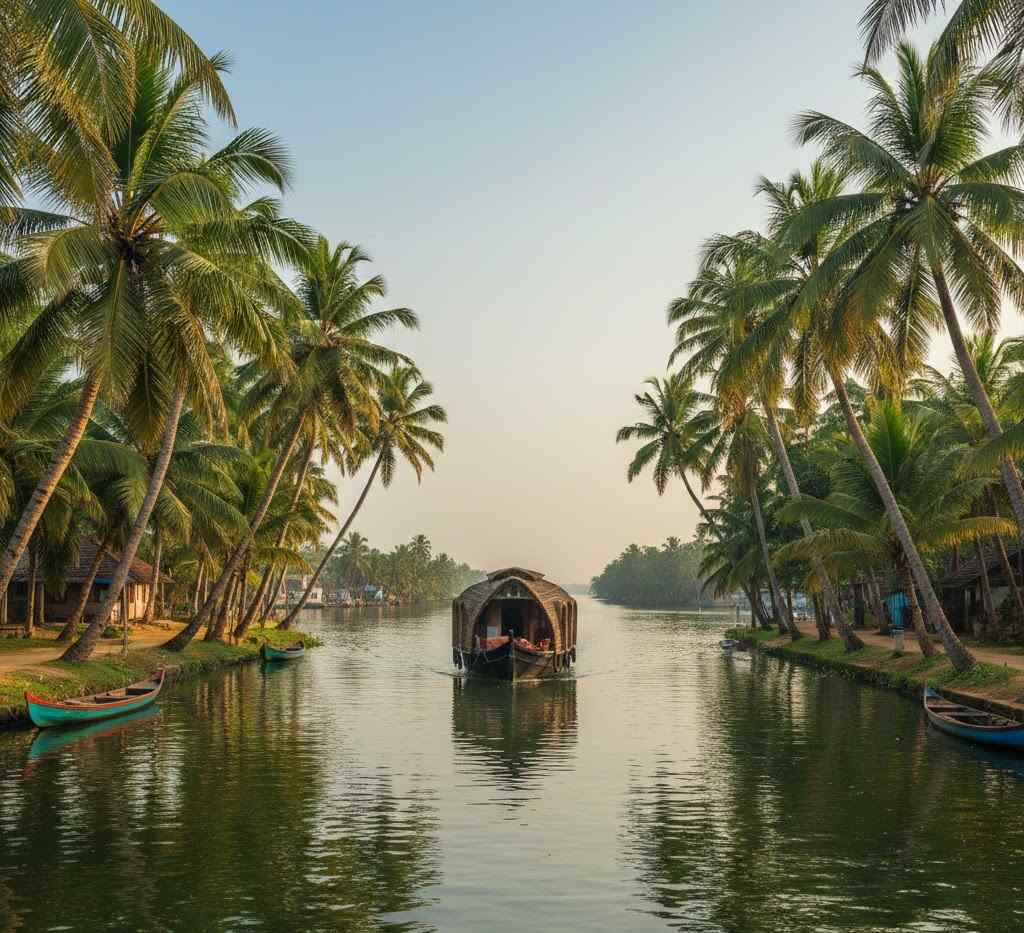
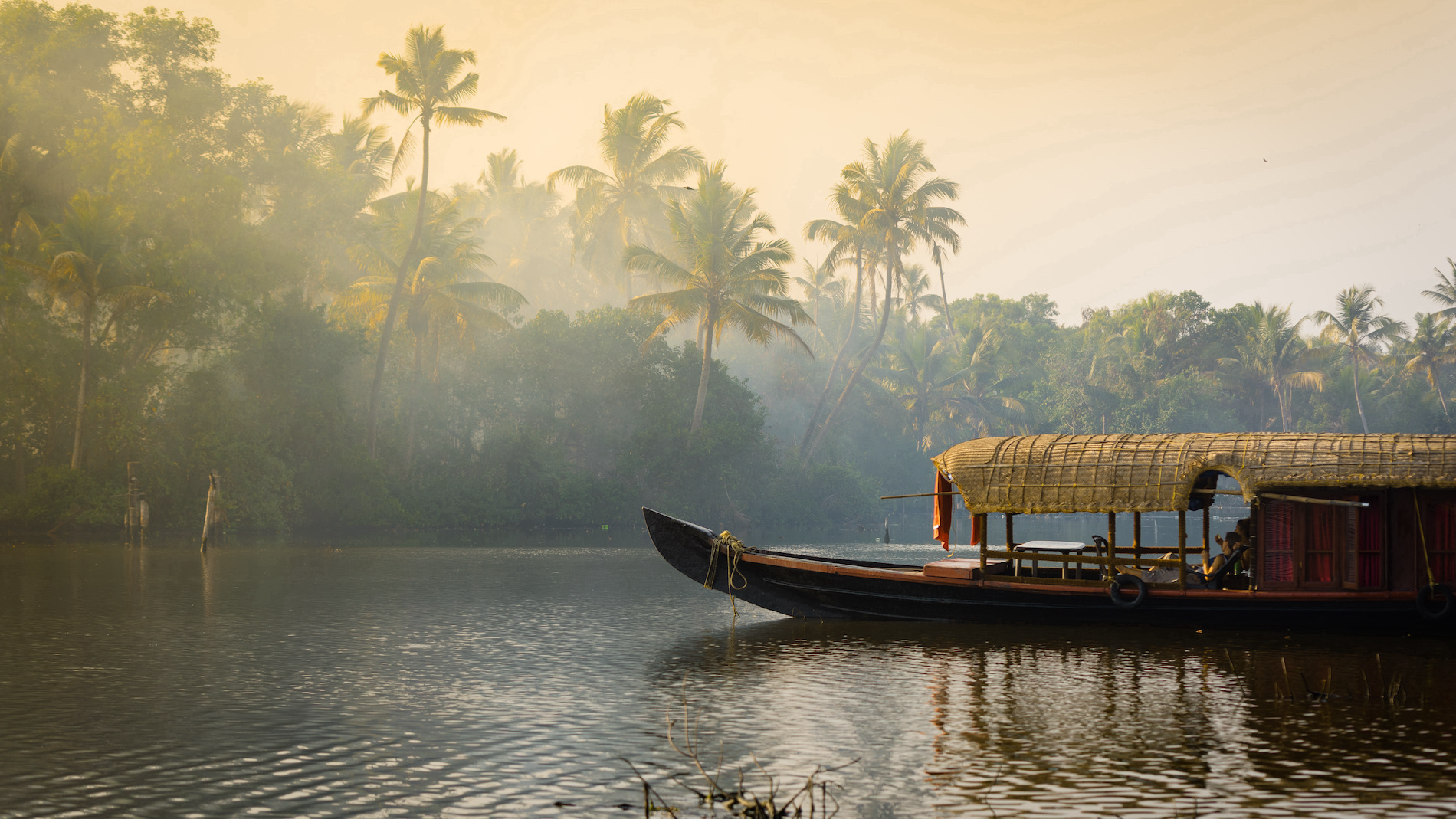
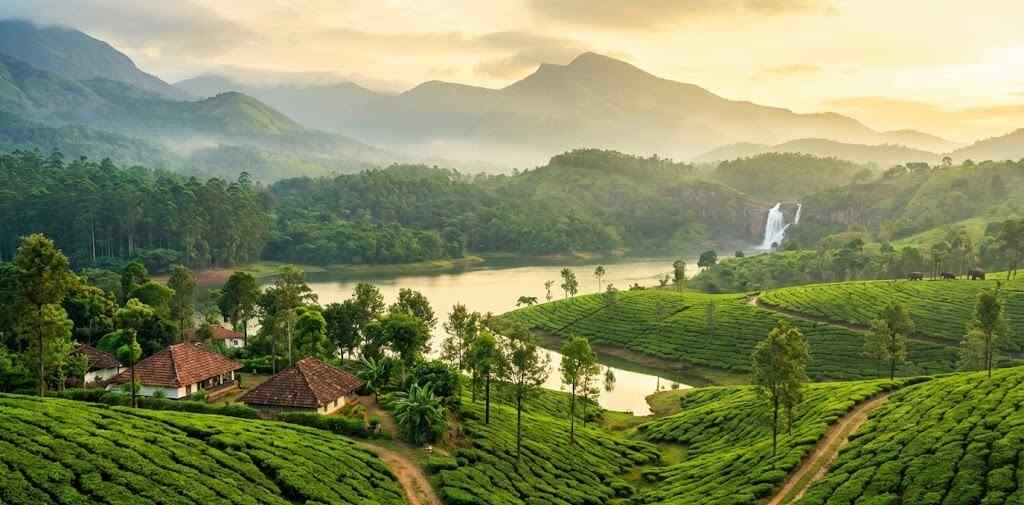
If reading about this massive feast makes you hungry, why not experience it in real life? Indian Odyssey is a UK-based travel company that provides holidays to Kerala India. We are the experts in turning your dream vacation into a reality. On your holiday tours, we go far beyond just simple sightseeing. We guide you to authentic local homes and the best hidden restaurants where you can taste the real Sadya. You do not need to worry about confusing maps or difficult bookings; we handle everything for you. From the lush green tea gardens to the peaceful backwaters, we show you the true beauty of God’s Own Country. Contact us today to discover the real taste of India.












 Expertise
 Quality trips honestly priced
 Environmentally friendly trips
 Freedom and choice
 Go beyond ordinary


