Our Blog
Trip reports, stories from the region



When you want to escape the daily hustle to get peace and reconnect, spending a few days in nature is best. Wayanad, a captivating hill station in Kerala, is the perfect destination for this. Situated in the Western Ghats, this place is famous for morning mist lifting slowly from the valleys, revealing layer upon layer of emerald hills stretching into infinity, or the amazing waterfalls you can see there. It’s a perfect retreat destination for nature lovers or adventure seekers. This comprehensive blog explains on Wayanad is our attempt to encourage our discerning travellers to go beyond ordinary and touristy Kerala and South India. Afterall, going that extra mile can make your holiday extraordinary.
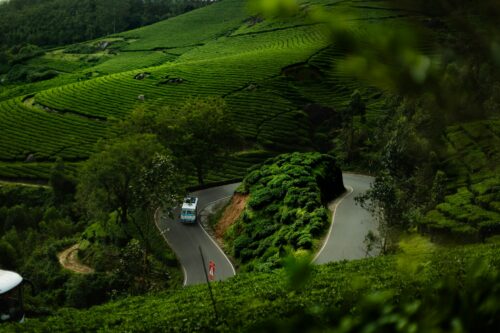
Kerala’s best-kept secret is Wayanad, a beautiful place filled with misty hills, spice farms, glittering waterfalls, and enigmatic caverns. Tucked away in the Western Ghats at elevations between 700 and 2,100 metres, Kerala remarkably offers authentic wilderness without sacrificing comfort. Here are some of the reasons why it’s best:
For couples, Wayanad delivers misty mornings on private plantation verandas, candlelit dinners overlooking tea estates, and the kind of intimate seclusion that five-star beach resorts simply cannot match.
For honeymooners, it’s the difference between another crowded destination and a place that feels discovered just for the two of you – where you might spot wild elephants from your treehouse or share a sunrise that paints the Banasura hills in shades of gold and rose.
For families, Wayanad transforms into an adventure playground. Children who’ve never seen a leech (yes, they’re fascinating once you get past the initial shriek) or tracked animal footprints through bamboo forests will find stories to tell for years.
What makes Wayanad genuinely special isn’t any single attraction – it’s the layered experience. Ancient caves with prehistoric rock art. Tribal communities whose traditions predate recorded history. Wildlife that roams freely through corridors connecting two major sanctuaries. Spice plantations where you can trace your morning chai from bush to cup. This is immersive travel at its finest.
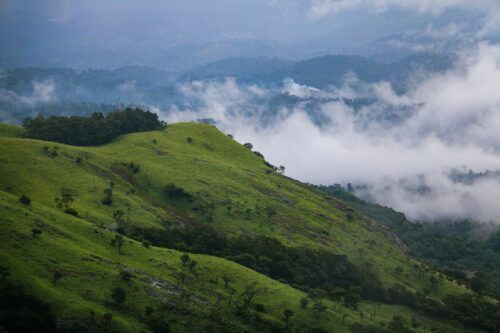
October to February brings Wayanad’s most pleasant weather – cool mornings hovering around 15°C, comfortable afternoons rarely exceeding 28°C, and crystal-clear visibility that makes every viewpoint spectacular. This is prime time for wildlife spotting at Muthanga and Tholpetty, when animals gather around water sources and the undergrowth thins out.
March to May turns up the warmth but offers its own rewards. The Neelakurinji flowers- those mystical blue blossoms that appear only once every twelve years- last bloomed in 2018, with the next display expected in 2030. But even in regular years, the pre-monsoon months bring dramatic skies, fewer tourists, and better rates at premium properties.
Here’s what most travel guides won’t tell you: Wayanad during monsoon is extraordinary. Yes, you’ll encounter rain – sometimes torrential, sometimes a gentle drizzle that continues for hours. Certain jungle trails close, and leeches become unavoidable companions. But the landscape transforms into something almost hallucinogenic in its beauty. Waterfalls that trickle in dry season become thundering cascades. Every shade of green you can imagine appears simultaneously. Mist rolls through valleys like slow-motion waves.
For travellers who don’t mind getting the rain and find the extraordinary in dramatic weather, monsoon Wayanad offers the most authentic experience – and the most competitive pricing.
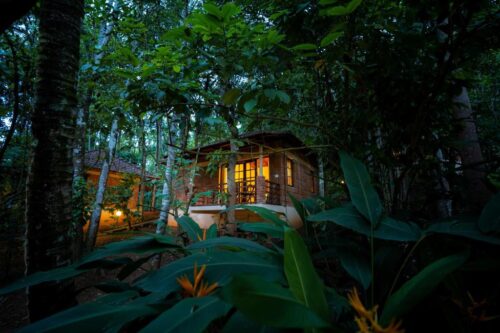
Wayanad’s accommodation scene has evolved beautifully beyond basic homestays. Today, you’ll find options that elevate your stay from “place to sleep” to “reason for the trip.”
Plantation Bungalows offer the quintessential Wayanad experience – colonial-era architecture wrapped in coffee and pepper plantations, with verandas designed for doing absolutely nothing except watching the mist roll in. The best properties provide butler service, private dining experiences, and guided walks through their estates at dawn when the plantations come alive.
Treehouse Stays range from rustic-romantic to surprisingly luxurious. Imagine waking up at canopy level, macaques swinging past your window, as you sip cardamom-infused coffee. Some properties offer treehouses connected by rope bridges, adding adventure to intimacy.
Boutique Resorts with infinity pools overlooking the Western Ghats combine wilderness views with contemporary comfort. Several newer properties have achieved the perfect balance – sustainable design, farm-to-table dining, and thoughtful touches that make honeymooners feel genuinely celebrated.
Resort Properties with dedicated children’s programmes, nature walks designed for younger explorers, and the space for kids to run wild (safely) make family travel genuinely enjoyable for everyone – parents included.
Homestays run by local families offer something hotels cannot: real connection. Children learn to make appam with their host’s grandmother. Parents discover that Kerala hospitality involves being fed approximately seventeen times per day. Everyone leaves with a deeper understanding of how life actually works in this corner of India.

Carved into a massive boulder on Ambukuthi Hill, the Edakkal Caves contain petroglyphs dating back to the Neolithic era – some estimates place them at 6,000 years old. The climb involves roughly 1,200 steps- excellent for working off those Kerala breakfasts; but reaching the cave feels like stepping into a time machine. Running your fingers near carvings made by humans six millennia ago while standing beside your partner or your children creates the kind of moment that transforms a holiday into something profound.
Our tip: Visit early morning to avoid both crowds and midday heat. The light filtering into the cave between 7:30 and 9:00 AM illuminates the carvings beautifully.
The statistics impress (Asia’s second-largest earth dam, India’s largest), but what matters is the experience. Speedboat rides across the reservoir offer cooling spray and mountain views. The surrounding hills invite exploration. And for those who prefer their beauty served without effort, simply sitting on the dam watching sunset paint the waters is satisfaction enough.
Wayanad’s highest peak which is above 2100m above sea level, hides a surprise partway up: a heart-shaped lake that has launched a thousand Instagram posts and at least as many marriage proposals. The trek is moderately challenging – around three hours up – but entirely manageable for reasonably fit travellers.
The lake is seasonal. Visit during or just after monsoon- August to October-for the fullest, most photogenic version. Dry season may leave you with a heart-shaped puddle.
Taking the Chembra sunrise trek – starting at 5 AM with permits arranged in advance – offers both accomplishment and adventure. Watching dawn break over the Western Ghats, earned through effort, creating a rewarding travel experience that passive sightseeing cannot.
Wayanad Wildlife Sanctuary spans two ranges—Muthanga and Tholpetty—forming a crucial corridor between Nagarhole, Bandipur, and Mudumalai. This connectivity means animal populations here are robust and sightings are genuine.
Elephants are almost guaranteed. Herds move through the sanctuary regularly, and seeing them in their natural habitat—unhurried, unconcerned, magnificent – is worlds apart from temple elephants or safari parks.
The rarer sightings—tigers, leopards, wild dogs—require luck and patience. They exist here in healthy numbers, but reGaur (Indian bison), with their massive builds and distinctive white “stockings,” appear frequently. Spotted deer are everywhere. Wild boar rustle through the undergrowth. Langurs perform acrobatics overhead.
main elusive. Your naturalist guide will read signs most visitors miss: a particular alarm call, disturbed vegetation, and fresh pugmarks. Even without a big cat sighting, the anticipation adds electricity to every drive.
Important: Both ranges strictly adhere to safari timings. Book jeeps in advance, especially during peak season. Early-morning safaris (starting at 6:30 AM) typically yield the best sightings.
This 950-acre river delta in the Kabini River offers a different pace – bamboo rafts gliding through calm waters, short walks through evergreen forest, picnics on riverbanks where the only soundtrack is birdsong.
For families, Kuruva strikes the perfect balance between adventure (the rafting genuinely delights children) and accessibility (no strenuous trekking required). For couples, the island’s tranquillity provides a romantic interlude between more active pursuits.
A visit to a working spice plantation reveals the aromatic soul of Kerala. Walking through rows of coffee bushes, past pepper vines climbing support trees, under canopies of cardamom, you begin to understand why European traders once risked everything for these treasures.
The best plantation tours go beyond walking and looking. Cooking experiences that begin with harvesting ingredients that morning connect food to landscape in unforgettable ways. Learning to identify wild cinnamon by scent or watching vanilla being hand-pollinated transforms your kitchen confidence forever.
Wayanad’s indigenous communities – including the Paniyas, Kurichiyas, Kurumas, and Adiyars – maintain traditions that predate Hinduism’s arrival in Kerala. Their art, music, and relationship with the forest offer encounters that must be approached thoughtfully.
Several organisations facilitate responsible tribal tourism that benefits communities directly. This might mean watching traditional performances, learning about medicinal plants from tribal elders, or purchasing directly from artisan cooperatives.
The key word is responsible. We specifically recommend community-based initiatives where visits are invited, controlled, and compensated fairly – not voyeuristic tourism that treats people as exhibits.
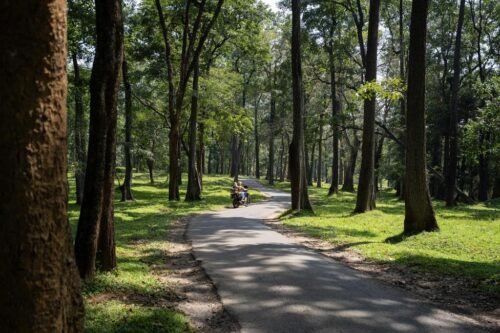
For a Long Weekend- 3-4 Nights
Focus on depth over breadth. Choose one exceptional property and use it as a base. Alternate adventure days (a trek, a wildlife safari) with pure relaxation (plantation walks, spa treatments, extended breakfasts). Book one private dining experience – perhaps a candlelit dinner in a coffee estate clearing.
For Honeymooners- 5-7 Nights
Wayanad rewards longer stays with experiences that shorter visits miss. Combine two different accommodation styles (perhaps a plantation bungalow and a treehouse property). Add one overnight trip to nearby Bandipur or Nagarhole for a different wildlife experience, as it is also among the best wildlife tourism in India from a tourist perspective. Include one “zero activity” day where the only plan is no plan.
For Families- 4-6 Nights
Balance structured activities with free exploration time. Children often remember the unplanned moments – the frog discovered near the cottage, the impromptu cricket match with local children – as vividly as the ticketed attractions. Choose family-friendly resorts with space to run, and build in downtime between excursions.
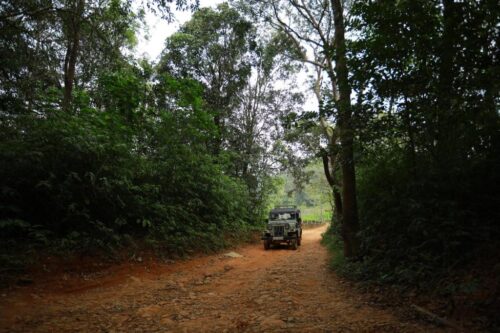
Kozhikode (Calicut) International Airport – approximately 100 km / 3 hours by road
Scenic Alternatives: Mysore Airport (150 km) offers a beautiful drive through Bandipur Tiger Reserve.
By Road from Kochi: 6-7 hours through beautiful Kerala countryside
Pro tip: The drive to Wayanad is spectacularly scenic, with 36 hairpin bends on the Thamarassery Ghat road. We recommend travelling by daylight to enjoy it fully and avoid the mist that descends after dark.
Here’s what decades of planning Wayanad holidays have taught us: the difference between a good trip and an extraordinary one often comes down to details that aren’t in guidebooks. Knowing which treehouse property genuinely delivers privacy versus which simply photographs well. Understanding which safari guide reads the forest like poetry. Arranging the plantation dinner, where the owner joins you to share stories spanning three generations of coffee growing. Timing your Edakkal visit to coincide with the astronomy group’s monthly stargazing session. These are the touches that transform holidays into stories you’ll tell forever.
If you like what you’ve read here about Wayanad and want to find out more, do get in touch. We are passionate about the Indian region, and travel is what we do best. We will listen, explain, and answer all sorts of questions you might have—making bespoke suggestions for your India holiday based on how you actually want to travel, not some generic template.Whatever stage you are at in your holiday planning, the first discussions are always the most inspiring. So give us a call for a quick chat.


Trip reports, stories from the region
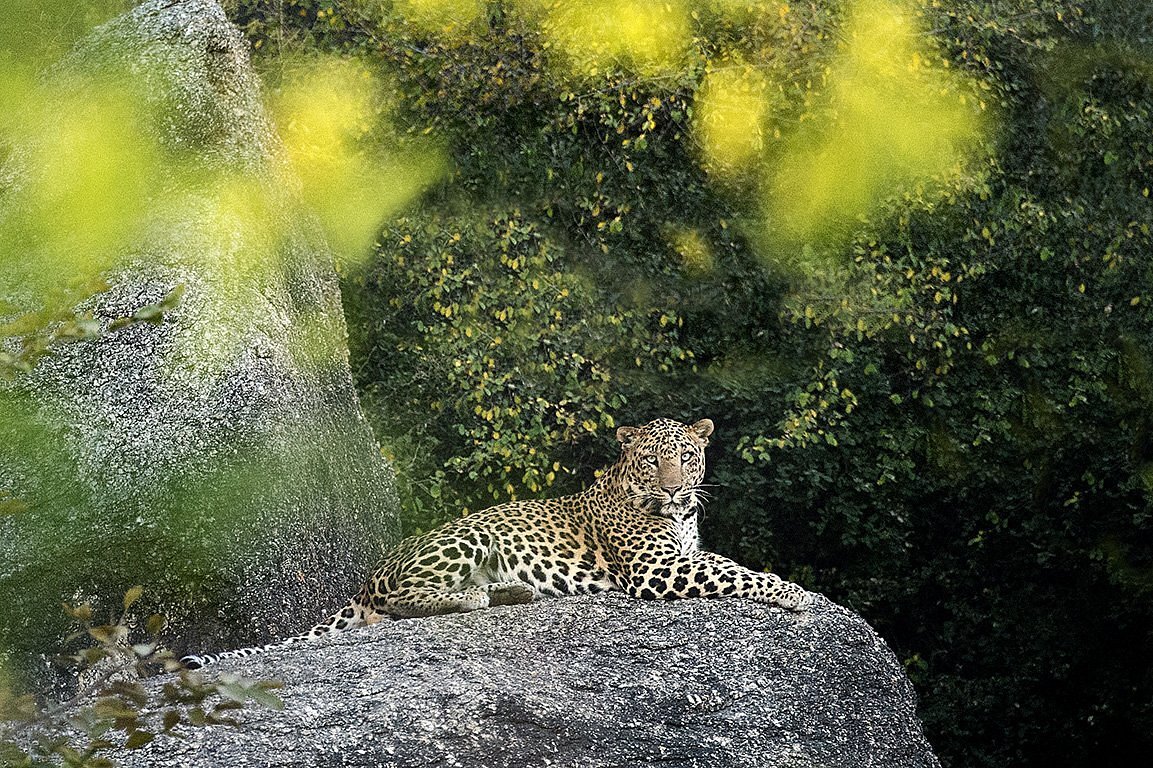 Sujan Jawai: The Finest Luxury Leopard Safari Experience in India
Sujan Jawai: Where India's Wildest Leopard Safari Meets Quiet Luxury There is a moment — just before the light shifts and the granite hills turn amber — when the landscape of Jawai seems to hold its breath. A silhouette...
Read More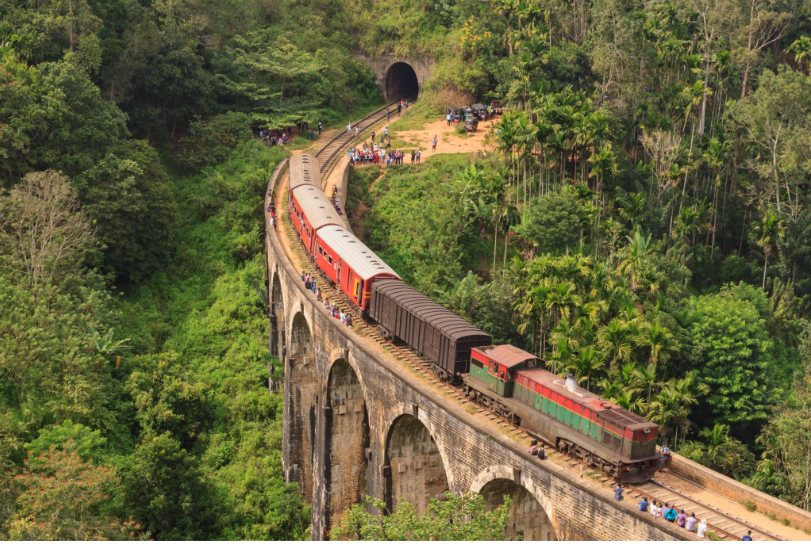 Best places to visit Sri Lanka
Best Places to Visit in Sri Lanka: Comprehensive to this extraordinary island Sri Lanka is the dream destination of every traveller today as it packs an almost impossible variety into an island smaller than Ireland. With every new place you...
Read More Christmas in Sri Lanka: Best Places to Visit in December
Christmas in Sri Lanka: Best Places to Visit in December Looking for a warm, unique way to spend the holidays this year? Christmas in Sri Lanka offers exactly that: sunny beaches, vibrant culture, and festive celebrations. It feels worlds away...
Read More Top Luxury Jungle Camps & Tiger Safari Lodges in India
Top Luxury Jungle Camps & Tiger Safari Lodges in India The excitement of being in the jungle at sunrise, literally seeing and hearing it awaken, not to mention the hope of possibly spying the elusive Bengal Tiger, is almost palpable. Then...
Read More
Thank you so much for all the help and expertise you gave us in organising a great holiday. I thought of writing you a feedback while it is all still fresh in my memory. We had a truly wonderful experience this time,I must say better than last time. It really helped that we stayed in good hotels and had best room choice. The highlights in chronological order would be: Kochin sightseeing of Jew Town, Old Synagogue and Chinese nets, House Boat, Rubber plantation and lunch with the wonderful host couple. Jungle trek in Thekkady and our time in Taj Green.
Thank you so much for all the help and expertise you gave us in organising a great holiday. I thought of writing you a feedback while it is all still fresh in my memory. We had a truly wonderful experience this time,I must say better than last time. It really helped that we stayed in good hotels and had best room choice. The highlights in chronological order would be: Kochin sightseeing of Jew Town, Old Synagogue and Chinese nets, House Boat, Rubber plantation and lunch with the wonderful host couple. Jungle trek in Thekkady and our time in Taj Green.
Get in touch with you for a quick chat to discuss your holiday ideas, no matter how early in your planning process you might be. It's always inspiring to discuss.