Jawai Leopard Safari
FAQS (Frequently Asked Questions)



There is a moment — just before the light shifts and the granite hills turn amber — when the landscape of Jawai seems to hold its breath. A silhouette appears on the ridge. Long-limbed, unhurried, indifferent to your presence. A leopard, moving through its ancient territory as though the rest of the world simply doesn’t exist.
This experience is what draws discerning travellers to Sujan Jawai — not the promise of checked boxes or curated itineraries, but the raw, unscripted thrill of a safari in India that few connect India with. While much of the world rushes toward the well-worn trails of East Africa or the crowded corridors of Ranthambore, a quieter, rarer thing is happening in the Aravallis of southern Rajasthan: a Jawai leopard safari that doesn’t ask you to sacrifice comfort or luxury for wilderness. Here, experience, wilderness and soulful luxury simply coexist.
Rajasthan is a state that has always commanded attention for its forts, its desert, its impossible sunsets. But the Jawai region, carved around the Jawai Dam and framed by ancient granite formations, belongs to a different conversation entirely – and it is fast becoming one of the country’s most compelling safari destinations.
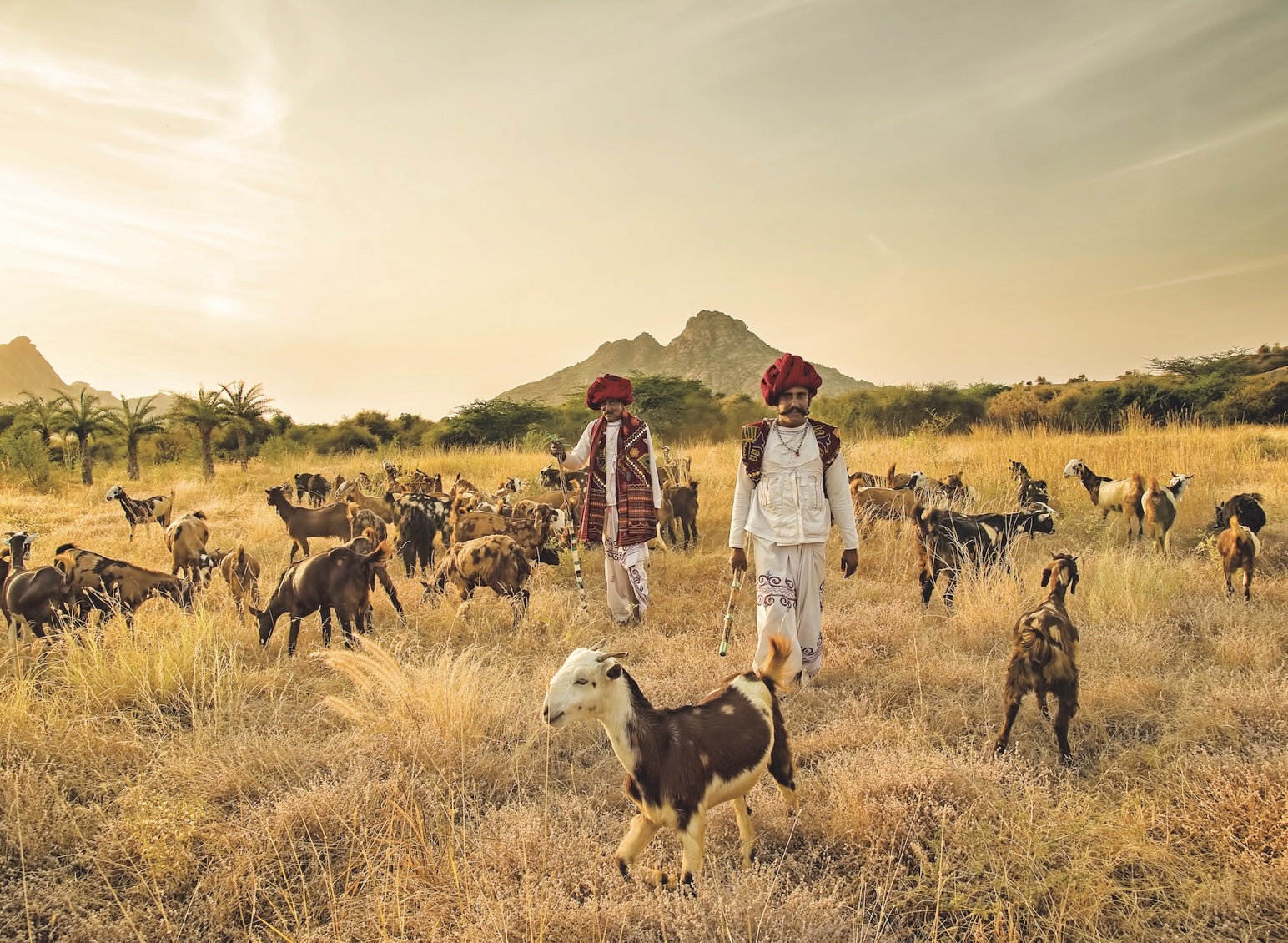
The granite inselbergs here are not decorative. They are habitats. Caves and rock shelters fold into the hillsides, and it is in these fractures and overhangs that the leopards of Jawai have lived for generations – not in conflict with the human world around them, but alongside it. The Rabari community, semi-nomadic cattle herders who have grazed these lands for centuries, shares the terrain with these cats in a relationship that defies typical predator-prey logic. Leopards take the occasional goat and yet are rarely harmed in retaliation. It’s a coexistence that ecologists find remarkable, “making a Jawai leopard safari unlike anything else on the subcontinent.”
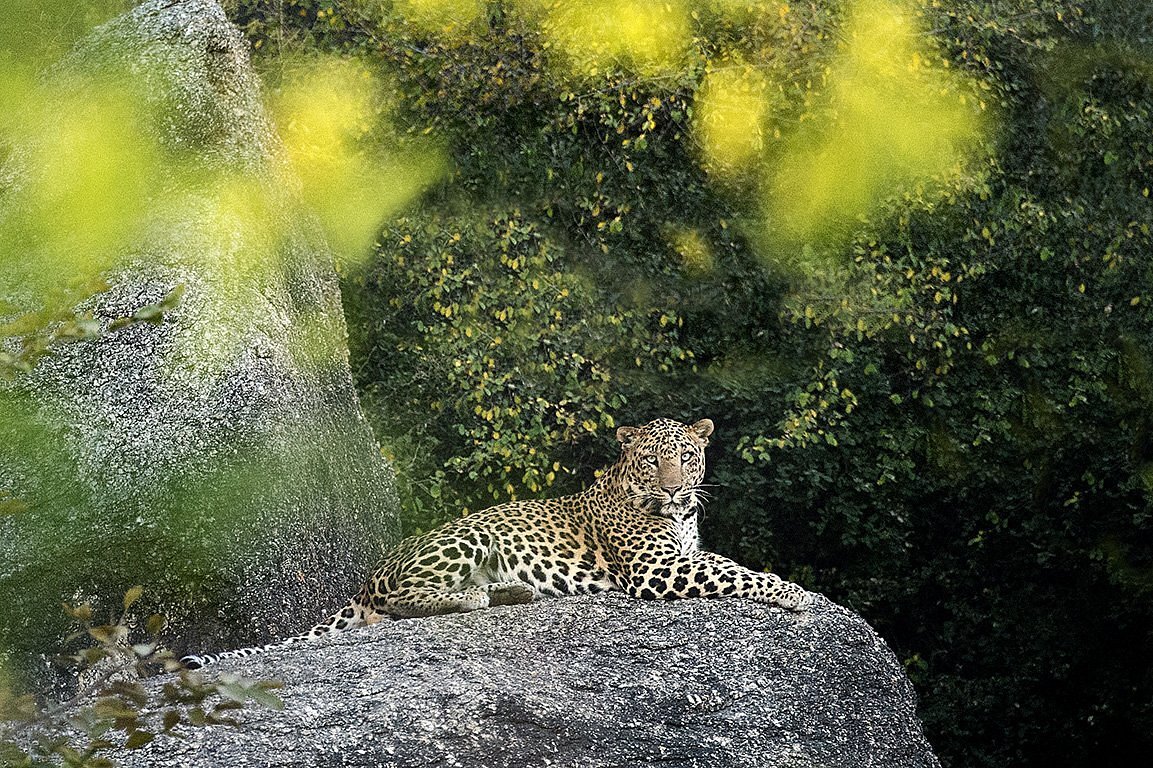
What this experience means in practice: leopard sightings here are frequent – jaw-droppingly, consistent. Unlike tiger reserves where vast forest cover makes sightings a matter of luck and patience, Jawai’s open rocky terrain means the cats move in full view. You don’t track them through the undergrowth. You watch them from a respectful distance as they stretch on sun-warmed boulders or pick their way down a hillside at dusk.
This is a safari in India that rewards patience over spectacle. There are no convoys of jeeps jostling for position and no dust clouds stirred by competing vehicles. Instead, the Jawai leopard safari unfolds at a pace that feels almost meditative, making it one of the best safaris in India for travellers seeking solitude as much as wildlife.
Few wildlife holidays in India offer this combination: reliable leopard sightings, an ecologically intact landscape, a living pastoral culture, and almost no crowds. Jawai doesn’t replicate any other wildlife destination. It simply exists on its own.
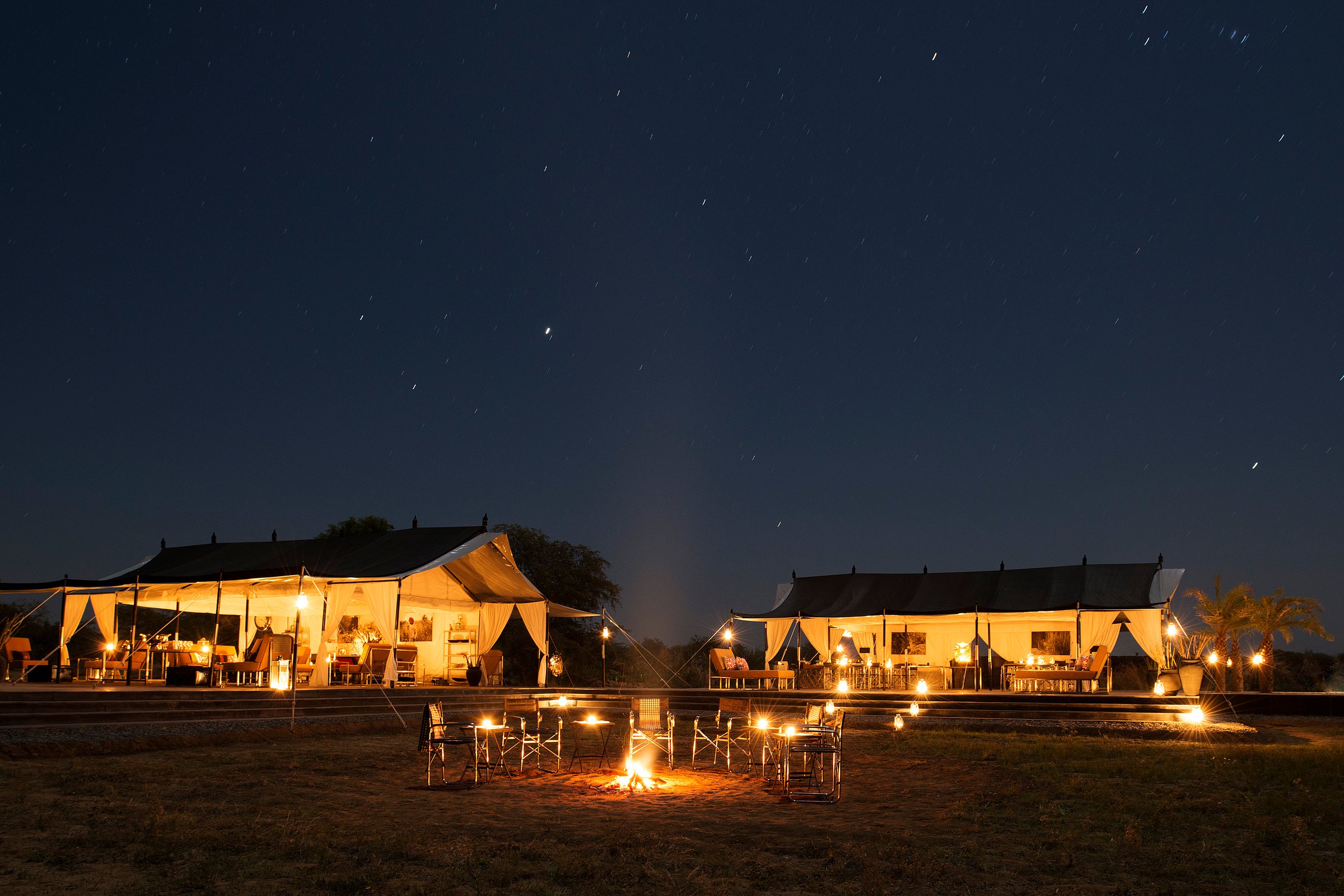
The camp sits within a working Rabari landscape, and SUJÁN has made no attempt to pretend otherwise. That’s precisely the point.
The tents – generous, beautifully considered structures that open onto uninterrupted views of the Aravalli foothills – feel less like accommodation and more like a very particular state of mind. Canvas walls diffuse the afternoon light into a golden, soft glow. The interiors draw on Rajasthani craft traditions without falling into pastiche: hand-blocked textiles, locally sourced stone, objects that feel collected rather than procured. You wake to the sound of peafowl and the distant bells of cattle moving through the landscape.
As a Jawai luxury camp, SUJÁN understands that real luxury at this level is almost never about what is added. It is about what is removed – noise, distraction, the performance of being seen. Service here moves at the rhythm of the place: attentive without being performative, warm without intruding on solitude.
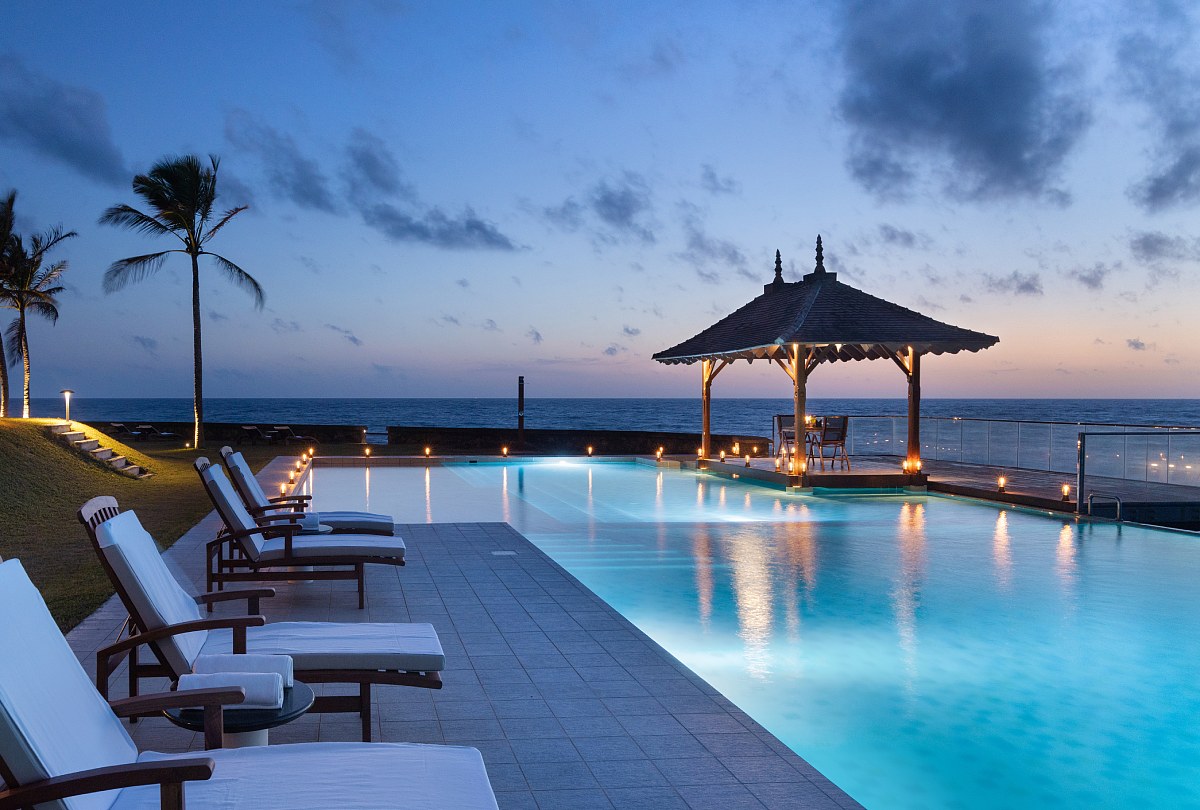
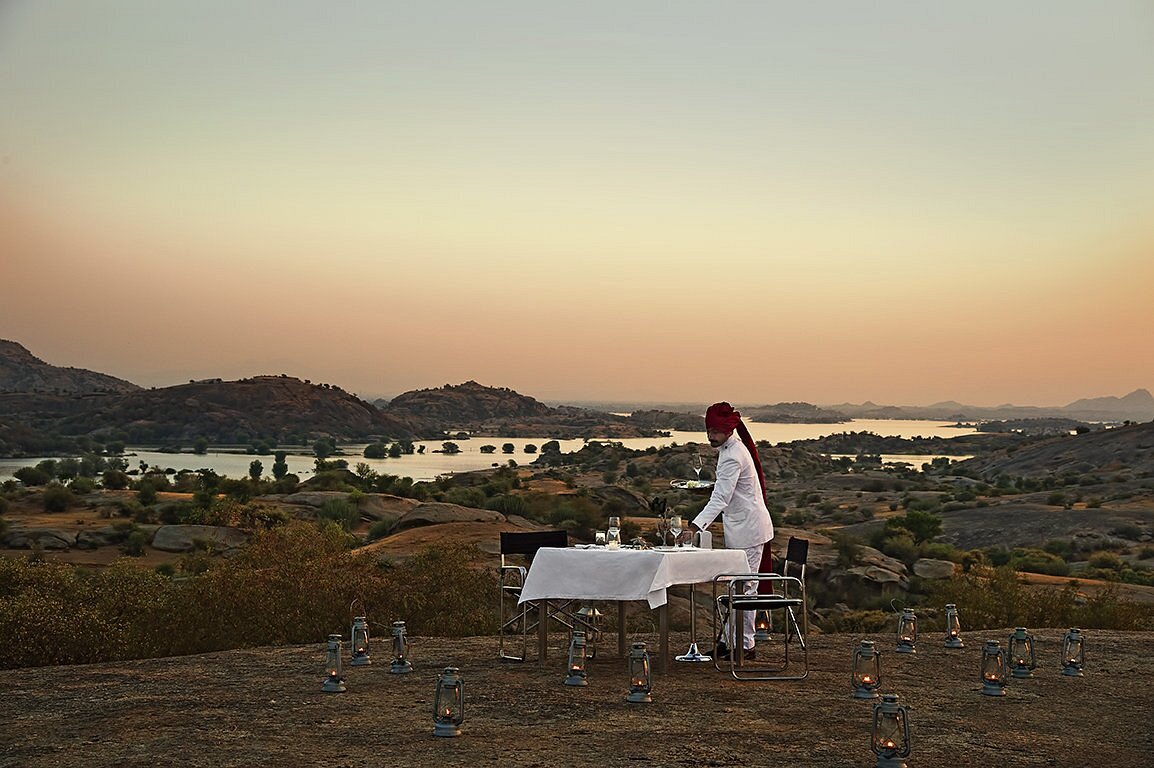
Meals are taken outdoors where possible, with the hills as a backdrop and the sky doing most of the decorating. The kitchen draws on the produce and flavours of the region — Rajasthani cooking is bold and aromatic – and translates it into something that feels both rooted and refined. After the safari, there is the pool, which faces the wilderness with a directness that makes you reluctant to look anywhere else.
Wellness at SUJÁN is not a spa menu. It is the specific restoration that comes from spending a morning in absolute silence watching a leopard, eating well, and sleeping deeply in cool, still air. As a luxury wildlife lodge in India, SUJÁN doesn’t compete with resort experiences; it offers something an all-inclusive resort simply cannot: a genuine encounter with a living landscape.
Every element of the stay is calibrated to the guest. Safaris are not shared shuttles with fixed departure times. They are conversations – your naturalist guide learning what you want from the experience, whether that is long photographic hours on sightings, birding detours, or an evening drive that ends with sundowners on the rocks. These are among the finest luxury camps in Rajasthan precisely because they treat the wilderness as a collaborator rather than a backdrop.
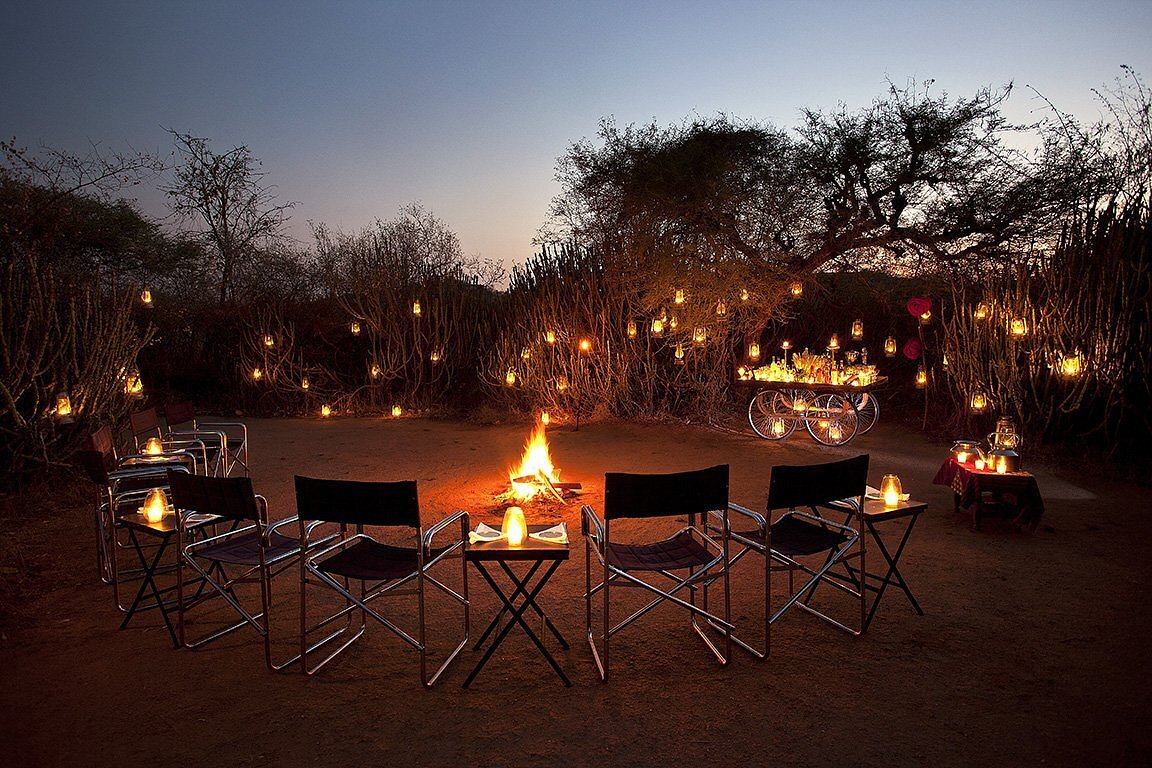
The alarm call comes before the light does. A persistent bark from somewhere in the rocky darkness – a langur, alerting. Your naturalist is already scanning the hillside with a spotlight before the jeep has fully stopped, and then there it is: two points of amber light reflecting back from the rocks, maybe eighty metres away.
This is what a leopard safari in India at Jawai actually looks like.
The drives begin at dawn, before the heat rises and the light turns flat. The air is cool enough to warrant a jacket in winter months, and in that chill there’s a particular alertness – yours and the landscape’s. Your naturalist guide, invariably a local with years of accumulated knowledge about individual animals and their territories, moves through the terrain with a confidence that feels earned. These are not animals he has read about. He knows where they sleep. He knows which female is raising cubs on the western ridge. He knows the precise angle of light that makes the granite glow orange just after sunrise, and he knows to position the vehicle accordingly.
The terrain itself is unlike any other luxury leopard safari in India destination. Jawai’s granite kopjes rise abruptly from flat scrubland, and the leopards use them as living architecture – resting on high ledges in the early morning sun, descending to drink at the reservoir at dusk, cutting silently between boulders with a fluid efficiency that makes them seem made of the landscape itself. Because, in a real sense, they are.
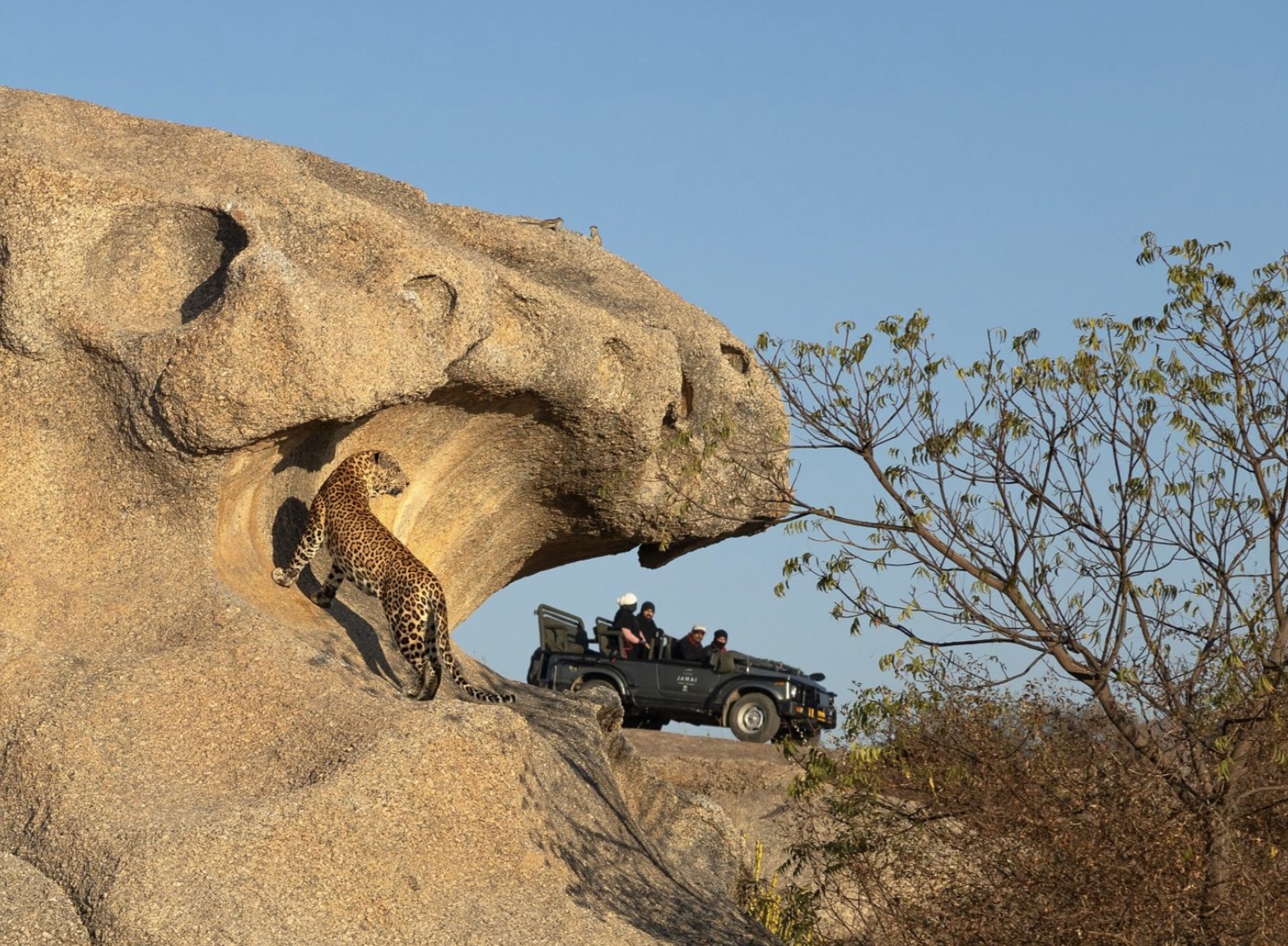
Sightings here can last an hour or more. There is no forest canopy swallowing the cats, no stampede of vehicles forcing a rushed departure. A leopard will sit above you on a warm rock and simply allow you to be present. This is the distinction that separates the Jawai safari lodge experience from almost anywhere else in India. The intimacy is not manufactured. It is a function of the terrain, the low visitor numbers, and the unusually relaxed relationship between these animals and the human world they inhabit.
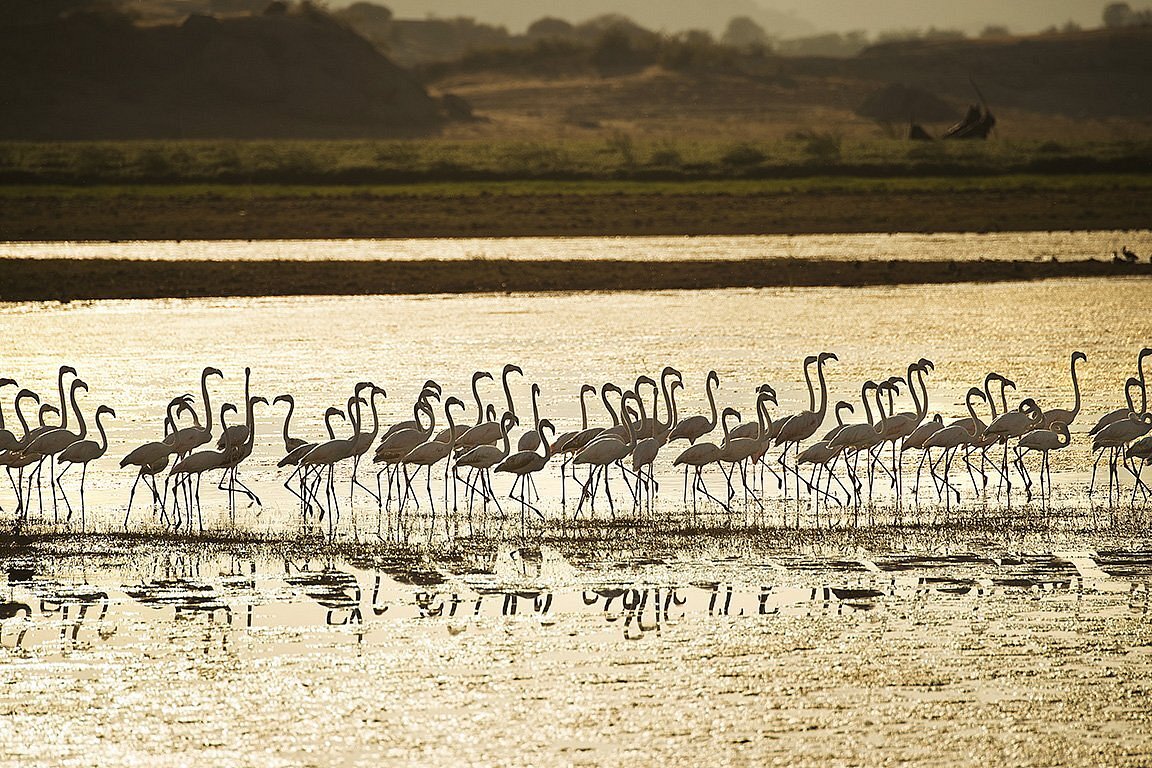
Beyond leopards – and there are moments when their abundance becomes almost surreal – the landscape rewards patient attention. The dam and its surrounds draw remarkable birdlife: painted storks, spoonbills, flamingos in season, marsh crocodiles sunning on the banks. Indian wolves are occasionally seen in the open grasslands. Sloth bears, striped hyena, and jackal are all present. On a single morning drive, it is not unusual to accumulate a list that would make a dedicated birder return annually.
Photography at Jawai is exceptional. The open granite landscape means clean sightlines. The quality of light – particularly in winter, when the sun is lower and the atmosphere clearer – produces the kind of images that look composed rather than caught. For photographers, the morning and evening windows feel genuinely precious, not because they are artificially constructed, but because the landscape offers itself at those hours with unusual generosity.
For the best leopard sightings, the drives are structured to follow the animals’ own rhythms: out before sunrise, back for a long and unhurried breakfast, out again as the light softens toward evening. In between, the camp itself becomes part of the experience – the stillness of midday, a cold towel and a drink materialising at the exact right moment, the quiet pleasure of doing nothing in a beautiful place.
This is what a luxury leopard safari in India at SUJÁN Jawai means, and it cannot be fully expressed fully in words.
The question of what responsible tourism actually looks like in an active pastoral landscape is one that SUJÁN has thought about carefully and answers through action rather than marketing.
The leopards of Jawai have survived in part because the Rabari community has historically not persecuted them a fact that represents a genuine and fragile equilibrium. SUJÁN’s presence is built to support, not disrupt, that equilibrium. Employment flows overwhelmingly to local communities. The camp’s physical footprint is deliberately restrained. Water management is taken seriously in a region where water has always been precious.
The conservation philosophy here is not the conventional wildlife reserve model – fenced, managed, curated. It is something more interesting: an acknowledgement that wildlife thrives in landscapes where it has long been part of the human story, and that the role of luxury tourism is to assign economic value to that coexistence without replacing the culture that sustains it.
Guests at SUJÁN frequently leave with a changed understanding of what conservation tourism in India can look like. The Rabari herdsmen you see in the landscape are not set dressing. Their presence is the reason the leopards are here. That story, told well by SUJÁN’s naturalists, tends to land with some weight.
October to March is the prime season, and within that window, each month has its own character.
October and November bring the post-monsoon clarity that makes the landscape feel freshly washed. The vegetation is still relatively lush, water levels in the dam are high, and migratory birds begin to arrive. Temperatures are warm during the day and pleasant at night.
December and January are the most atmospheric months for safari. Days are crisp and luminous. The light in these months is extraordinary – photographers reliably call it their favourite time of year at Jawai. Leopard activity tends to be high, as the cats move more freely in the cooler temperatures. Nights can be cold, which makes the fires at camp feel genuinely earned.
February and March see temperatures beginning to climb, but the wildlife activity remains excellent. Resident birds are joined by winter visitors. The landscape starts to dry, which can actually improve sightings as animals concentrate around water sources.
April to June is hot – Rajasthan does not soften that reality. The camp traditionally closes during peak summer months when conditions are challenging. The Jawai travel guide consensus: plan for the cool season.
July to September brings the monsoon, dramatically transforming the landscape. Some operations close during this period; check directly with SUJÁN for seasonal availability.
For most travellers, December through February represents the sweet spot: reliable temperatures, outstanding wildlife activity, and the quality of light that makes a photograph frame itself.
There is a version of safari travel that is about accumulation – lodges visited, species ticked, experiences added to a list that validates the journey. And then there is the other kind.
The kind where a single morning drive changes your relationship with the idea of wilderness. Where you sit in silence with a leopard forty metres away on a granite ledge, and the silence is not empty but full of something difficult to name. Where you return to camp sunburned and slightly dazed, and the particular quality of the light over the hills makes the whole thing feel slightly unreal.
That is what the best luxury safari in India looks like when it is working properly, and it is what SUJÁN Jawai consistently delivers – not as a product, but as a consequence of a place being understood and held carefully.
The exclusivity here is real, not manufactured. Low guest numbers mean the landscape feels private. The service is warm and genuinely personalised. The wildlife is abundant and remarkably accessible. And the setting – that improbable marriage of granite and scrubland and a pastoral culture that has kept its covenant with the wild – is unlike anything you will find in Africa or anywhere else.
For affluent travelers who have done the conventional safari circuit and are looking for a luxury wildlife experience in India that feels genuinely different: this is it. Not a pale imitation of something else. Not a managed substitute. Something wholly itself, and entirely worth the journey.
If you like what you’ve read here about beautiful boutique hotels in Rajasthan and want to find out more, do get in touch. We are passionate about the Indian region and travel is what we do best. We will listen, explain and answer all sorts of questions you might have and make bespoke suggestions to you for your India holiday. Whatever stage you are at in your holiday planning, the first discussions are always the most inspiring. Give us a call for a quick chat.
FAQS (Frequently Asked Questions)
Jawai is primarily known for its remarkable wild leopard population, which lives in unusual and unusually peaceful coexistence with the local Rabari pastoral community. The region is also distinguished by its dramatic granite inselberg landscape, the Jawai Dam and its associated birdlife, and the near-complete absence of the mass tourism that characterises more well-known Indian wildlife destinations.
October through March is the recommended window, with December, January, and February considered the peak months for both wildlife activity and light quality. These months offer cool temperatures, excellent leopard sightings, outstanding birdlife, and the clear atmospheric conditions that make wildlife photography particularly rewarding.
SUJÁN Jawai offers what very few properties in India can: a genuinely immersive wilderness experience without compromising comfort, design, or service quality. The camp’s deep knowledge of the landscape and its wildlife, its relationships with local communities, and its deliberate restraint in guest numbers create a safari experience that feels genuinely exclusive rather than merely expensive. The personalisation of each stay – guides who actually listen, safaris structured around what you want from them – separates it clearly from more commercial alternatives.
Exceptionally so. Jawai has one of the highest densities of wild leopards in India, and the open granite terrain means sightings are far more consistent than in forested reserves. It is not uncommon to see multiple leopards in a single safari drive. The animals here have grown up around human presence and tend to be notably tolerant of vehicles, allowing for extended, unhurried sightings.
Jawai is approximately 160 kilometres from Udaipur, roughly three to four hours by road. Many guests combine a stay at SUJÁN Jawai with time in Udaipur, making it a natural itinerary pairing within Rajasthan. Transfers can be arranged by the camp.
Ranthambore is India’s most celebrated tiger reserve and offers the possibility of tiger sightings in a historic and dramatic setting. But for leopards specifically, Jawai is in a different category entirely – sighting rates are higher, crowds are dramatically lower, and the open terrain allows for a quality of observation that forest reserves simply cannot match. Travellers who have visited both often describe Jawai as the more intimate and emotionally resonant experience. The two are worth considering as complements rather than competitors.

Rakhi Bansal is a specialist travel company creating tailor-made journeys across India and the Indian subcontinent. A passionate traveller and regular contributor to the Indian Odyssey blog, she shares insights, travel inspiration, and expert advice on destinations, culture, wildlife, and authentic travel experiences.


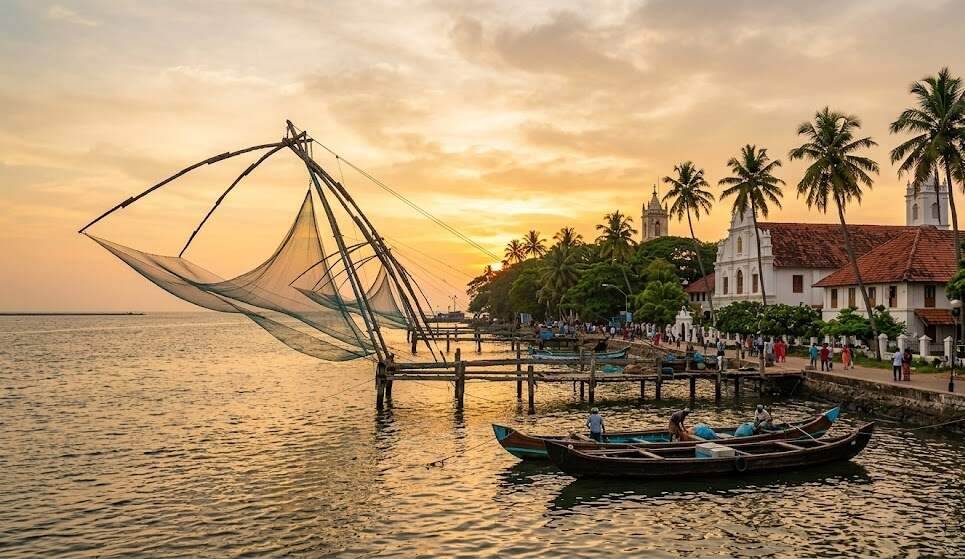
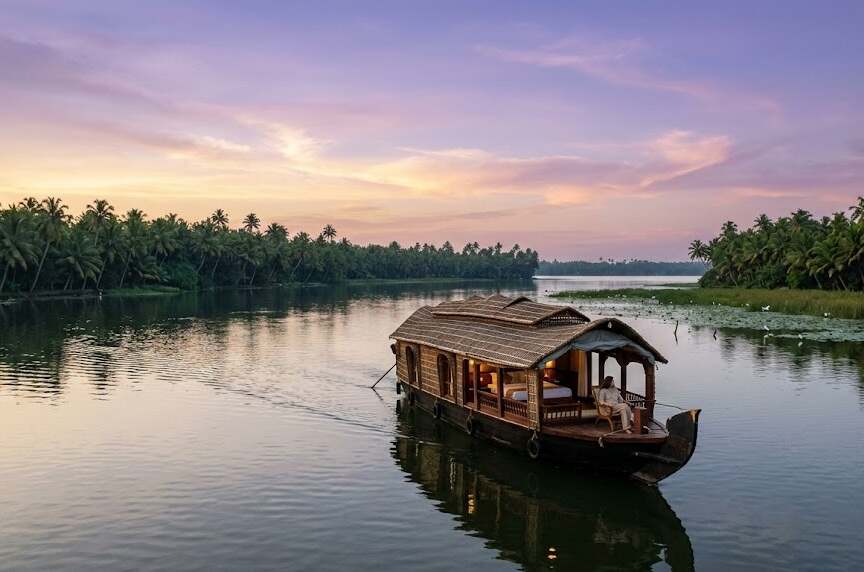
Thank you so much for all the help and expertise you gave us in organising a great holiday. I thought of writing you a feedback while it is all still fresh in my memory. We had a truly wonderful experience this time,I must say better than last time. It really helped that we stayed in good hotels and had best room choice. The highlights in chronological order would be: Kochin sightseeing of Jew Town, Old Synagogue and Chinese nets, House Boat, Rubber plantation and lunch with the wonderful host couple. Jungle trek in Thekkady and our time in Taj Green.
Thank you so much for all the help and expertise you gave us in organising a great holiday. I thought of writing you a feedback while it is all still fresh in my memory. We had a truly wonderful experience this time,I must say better than last time. It really helped that we stayed in good hotels and had best room choice. The highlights in chronological order would be: Kochin sightseeing of Jew Town, Old Synagogue and Chinese nets, House Boat, Rubber plantation and lunch with the wonderful host couple. Jungle trek in Thekkady and our time in Taj Green.
FAQS (Frequently Asked Questions)
Jawai is primarily known for its remarkable wild leopard population, which lives in unusual and unusually peaceful coexistence with the local Rabari pastoral community. The region is also distinguished by its dramatic granite inselberg landscape, the Jawai Dam and its associated birdlife, and the near-complete absence of the mass tourism that characterises more well-known Indian wildlife destinations.
October through March is the recommended window, with December, January, and February considered the peak months for both wildlife activity and light quality. These months offer cool temperatures, excellent leopard sightings, outstanding birdlife, and the clear atmospheric conditions that make wildlife photography particularly rewarding.
SUJÁN Jawai offers what very few properties in India can: a genuinely immersive wilderness experience without compromising comfort, design, or service quality. The camp’s deep knowledge of the landscape and its wildlife, its relationships with local communities, and its deliberate restraint in guest numbers create a safari experience that feels genuinely exclusive rather than merely expensive. The personalisation of each stay – guides who actually listen, safaris structured around what you want from them – separates it clearly from more commercial alternatives.
Exceptionally so. Jawai has one of the highest densities of wild leopards in India, and the open granite terrain means sightings are far more consistent than in forested reserves. It is not uncommon to see multiple leopards in a single safari drive. The animals here have grown up around human presence and tend to be notably tolerant of vehicles, allowing for extended, unhurried sightings.
Jawai is approximately 160 kilometres from Udaipur, roughly three to four hours by road. Many guests combine a stay at SUJÁN Jawai with time in Udaipur, making it a natural itinerary pairing within Rajasthan. Transfers can be arranged by the camp.
Ranthambore is India’s most celebrated tiger reserve and offers the possibility of tiger sightings in a historic and dramatic setting. But for leopards specifically, Jawai is in a different category entirely – sighting rates are higher, crowds are dramatically lower, and the open terrain allows for a quality of observation that forest reserves simply cannot match. Travellers who have visited both often describe Jawai as the more intimate and emotionally resonant experience. The two are worth considering as complements rather than competitors.
Get in touch with you for a quick chat to discuss your holiday ideas, no matter how early in your planning process you might be. It's always inspiring to discuss.