


There’s a moment – usually somewhere between your first sip of strong filter coffee and the sight of enormous Chinese fishing nets silhouetted against a tangerine Kerala sky – when Fort Kochi stops feeling like a destination and starts feeling like a discovery. This small, walkable peninsula on the southwestern tip of India has that rare quality: it surprises you, even if you’ve been travelling for years.
For UK travellers, Fort Kochi occupies a peculiar and wonderful place in the imagination. It’s the India of spice traders and colonial verandahs, of crumbling Portuguese churches and Jewish synagogues, of kathakali dancers and contemporary art galleries -all pressed together in streets narrow enough that you could reach out and touch both walls. Kerala tourism has quietly evolved into something genuinely world-class, and Kochi, Kerala, is where most visitors first fall in love with it.
If you’re planning Kerala holidays and wondering where to start, the answer is almost always here. Fort Kochi is not just a stopover. It’s a place that earns its time on your itinerary.
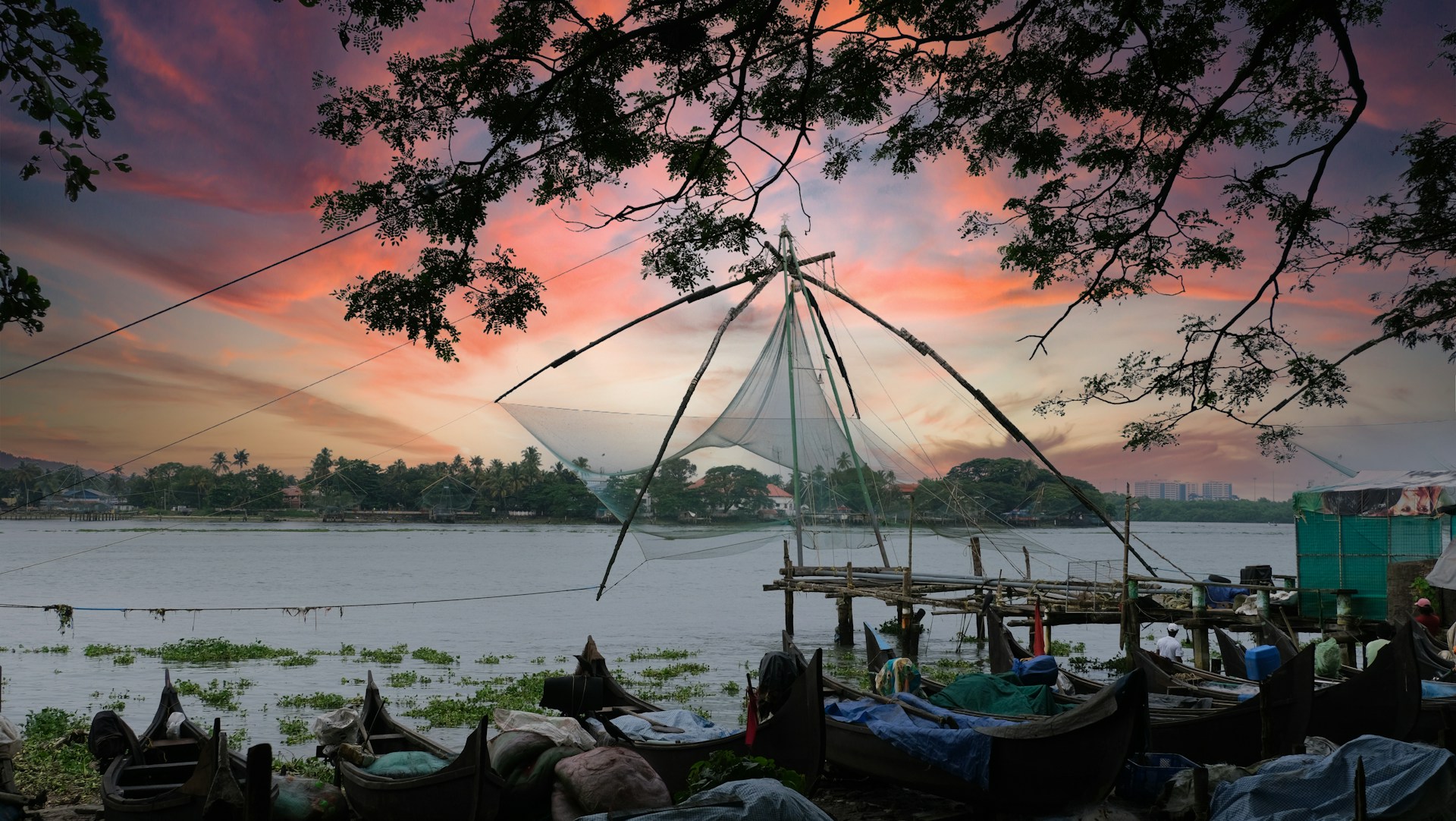
Most places in India demand something of you. They’re loud, fast, intense – thrilling, but exhausting. Fort Kochi is the exception. It’s one of those rare places to visit in Kochi where you can wander without a plan and still stumble upon something extraordinary.
The streets here are designed for walking. Bougainvillaea spills over colonial-era walls. A gallery that was once a warehouse displays contemporary Indian art. A café serving Kerala culture – inspired coffee occupies the ground floor of a Dutch – era building. Around the corner, fishermen haul in their morning catch using cantilever nets that have barely changed since the 14th century.
What makes Fort Kochi genuinely special is the layering of influences. Portuguese, Dutch, British, Jewish, Arab, Chinese – each left something behind. The result is a Kerala culture unlike anywhere else in India: cosmopolitan but deeply rooted, historical but refreshingly alive. It doesn’t feel like a museum. It feels like a neighbourhood that just happens to be several centuries old.
For travellers who want texture – the kind that comes from a place’s actual history rather than a curated tourist trail – Fort Kochi delivers.
To understand Fort Kochi, you have to understand the spice trade. In the 15th century, black pepper was worth more than gold. Whoever controlled its supply controlled empires. And the Malabar Coast – what we now call Kerala – was where it all came from.
The Portuguese were the first Europeans to arrive, when Vasco da Gama sailed into Kozhikode in 1498. Within a few years, they had established a trading post at Cochin, built a fort, and planted a church – St Francis, which still stands today and where da Gama himself was briefly buried. For over a century, the Portuguese shaped Fort Kochi’s identity: its street layouts, its churches, its connection to Goa and Lisbon.
Then came the Dutch. In 1663, the Dutch East India Company (VOC) ousted the Portuguese and took control of the spice routes. They left their own marks – the Mattancherry Palace (confusingly also called the Dutch Palace), their trading houses, their architectural pragmatism. The Portuguese baroque gave way to something more austere and functional.
The British arrived next, gradually absorbing Cochin into their expanding Indian empire. Under the Raj, Kochi Kerala became a strategic port and the spice trade continued, now feeding a different empire. The Jewish community – who had lived here since at least the 16th century – continued to thrive in the area still known as Jew Town, clustered around the famous Paradesi Synagogue.
All of this history is visible, tangible and remarkably well-preserved. Fort Kochi doesn’t just tell you about its past. It shows you.
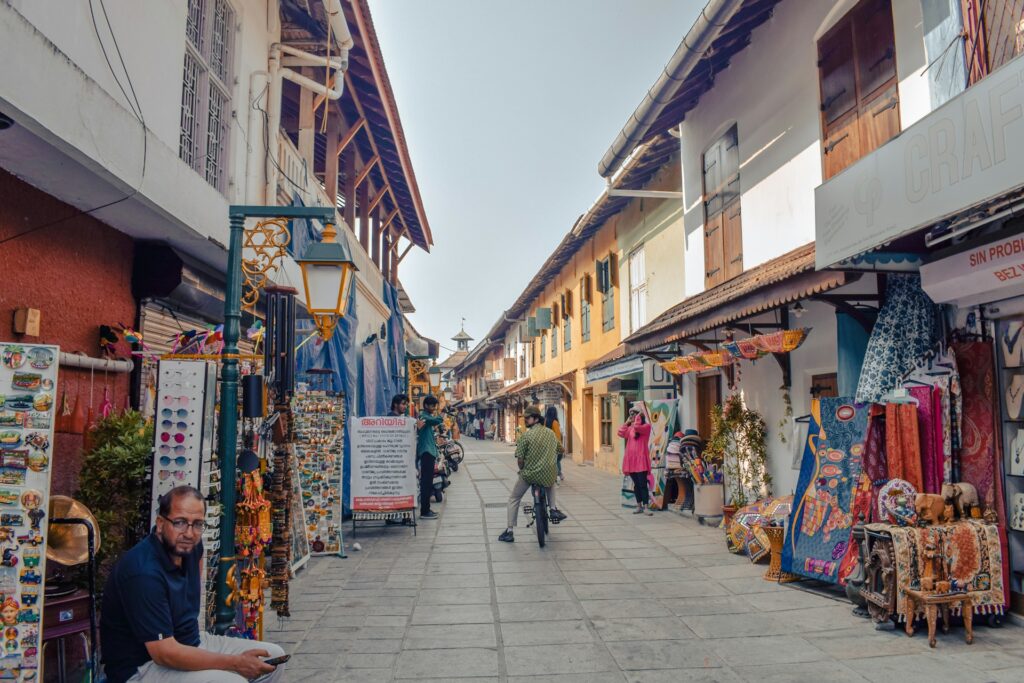
This is where Fort Kochi earns its reputation. The concentration of Kochi attractions within easy walking distance of each other is exceptional – you won’t need a taxi, and you won’t be bored. Looking for top things to do in Kochi, let’s introduce you to that.
No image of Fort Kochi is more iconic. These enormous cantilevered fishing nets – introduced, legend has it, by traders from the court of Kublai Khan in the 14th century – line the seafront at the very tip of the peninsula. Each one requires a team of fishermen to operate, using counterweights to lower and raise the net from the water with a slow, balletic rhythm.
Arrive at dawn or dusk. The light is extraordinary, the atmosphere is calm, and you can often buy freshly caught fish directly from the fishermen to have cooked at a nearby stall. It’s one of those experiences that sounds touristy on paper but is, in reality, deeply affecting.
Built in 1503, this is one of the oldest European churches in India – a quiet, whitewashed building that has served as a Portuguese Catholic church, a Dutch Reformed church, and an Anglican church over its long life. Vasco da Gama died in Kochi in 1524 and was buried here; his remains were later returned to Lisbon, but his tombstone remains. Worth stepping into for a moment of cool, contemplative quiet.
A short walk away, the Santa Cruz Basilica is a more exuberant affair – vivid, pastel-coloured Catholic cathedral with an ornate interior that wouldn’t look out of place in Portugal. Originally built by the Portuguese in the 1500s, it was demolished during the British era and later rebuilt. The painted ceilings and stained glass are worth lingering over – one of the most beautiful places to visit in Kochi.
Often called the Dutch Palace – though actually built by the Portuguese and later renovated by the Dutch – Mattancherry Palace is home to some of the finest Hindu murals in India. A must among Kochi attractions, the paintings depict scenes from the Ramayana and Mahabharata with extraordinary detail and colour, astonishingly well preserved considering their age.
Built in 1568, the Paradesi Synagogue is one of the oldest active synagogues in the Commonwealth. Its interior is genuinely beautiful – famous for hand-painted Chinese tiles, each one slightly different, and Belgian glass chandeliers that throw coloured light across the stone floor. The surrounding Jew Town is a warren of antique shops, spice merchants and heritage houses. One of the most atmospheric places to visit in Kochi.
Kathakali is one of India’s great classical art forms rooted in Kerala culture: a highly stylised dance-drama with elaborate costumes, extraordinary make-up applied over hours and stories from Hindu mythology. Several venues in Fort Kochi offer evening performances, often with a pre-show demonstration of the make-up process. It’s theatrical, hypnotic and entirely unlike anything you’ll see elsewhere. Don’t skip it.
Fort Kochi has a wonderful, unhurried café culture. Brightly coloured heritage buildings house everything from specialty coffee shops to rooftop restaurants. Pick up a heritage walk map and spend a morning exploring – you’ll find street art in unlikely corners, buildings with centuries of history, and the quiet pleasure of a place that takes its past seriously without being suffocated by it.
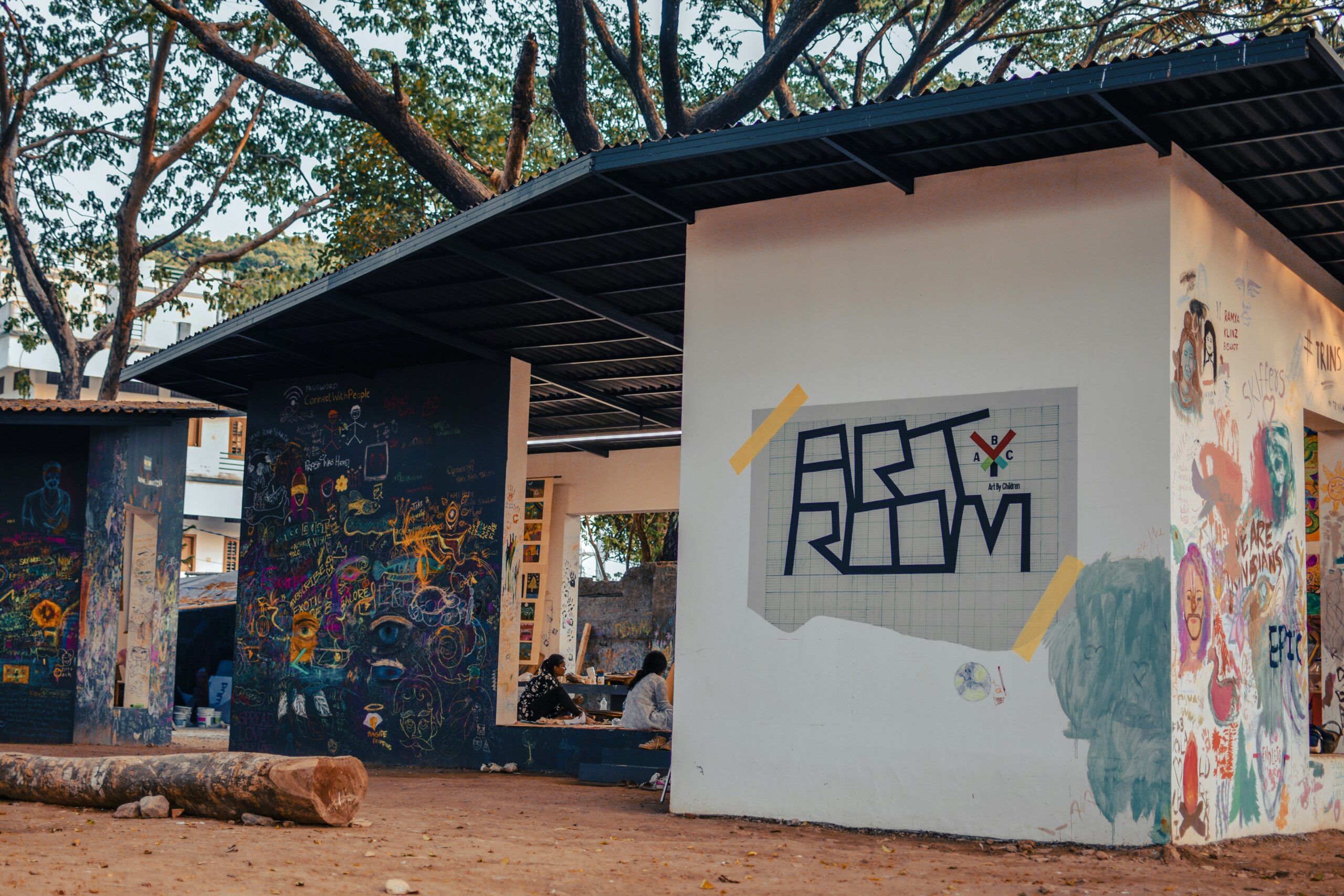
In 2012, something unusual happened in Fort Kochi. The city hosted its first contemporary art biennale – a sprawling, city-wide exhibition that turned warehouses, courtyards and colonial mansions into galleries. The Kochi Biennale has since become one of the most important art events in Asia, drawing artists, collectors and visitors from around the world.
The Kochi Biennale runs every two years, typically from December to March. Installations appear in unexpected places. Local artists work alongside international names. The conversations it generates – about history, identity, post-colonialism, climate – feel urgent and real. If your travel dates coincide, consider your timing a stroke of luck.
Even outside Kochi Biennale years, Fort Kochi has a thriving gallery scene. Aspinwall House hosts exhibitions year-round. The David Hall Arts Centre stages theatre, music and visual art. Kerala culture has always been characterised by openness – to trade, to ideas, to new arrivals. The contemporary art scene here feels like a natural continuation of that very old spirit.
Kerala food is, without exaggeration, some of the best in India. And Fort Kochi, with its coastal position and cosmopolitan history, offers a particularly rich version of it. Come hungry. Stay hungry.
Seafood is the natural starting point. Prawns, crab, clams, karimeen (pearl spot fish, native to the Kerala backwaters) – all pulled fresh from the water and cooked in coconut-based curries with layers of spice. Seafood in Kerala is not simply grilled fish – it’s an entire philosophy of cooking. If you buy fish from the Chinese fishing net vendors, nearby stalls will cook it to order. This is not a tourist performance. It is genuinely, straightforwardly delicious.
Appam is the breakfast dish of Kerala food: a lacy, fermented rice pancake with a soft, pillowy centre, served with a coconut milk stew or vegetable curry. Seek it out at a local café rather than a hotel buffet.
Kerala thali is the full expression of South Indian food — a banana leaf spread with rice, sambar, rasam, several vegetable preparations, pickle, papadum and payasam. It arrives all at once, eaten with your right hand, and it’s one of the great communal eating experiences in all of Kerala food.
The spice influences run deep. Black pepper, cardamom, cloves and cinnamon – the very spices that brought the Portuguese, the Dutch and the British to Kerala — find their way into everything from seafood in Kerala to filter coffee. For specific restaurant recommendations, ask your guesthouse rather than relying on online lists.
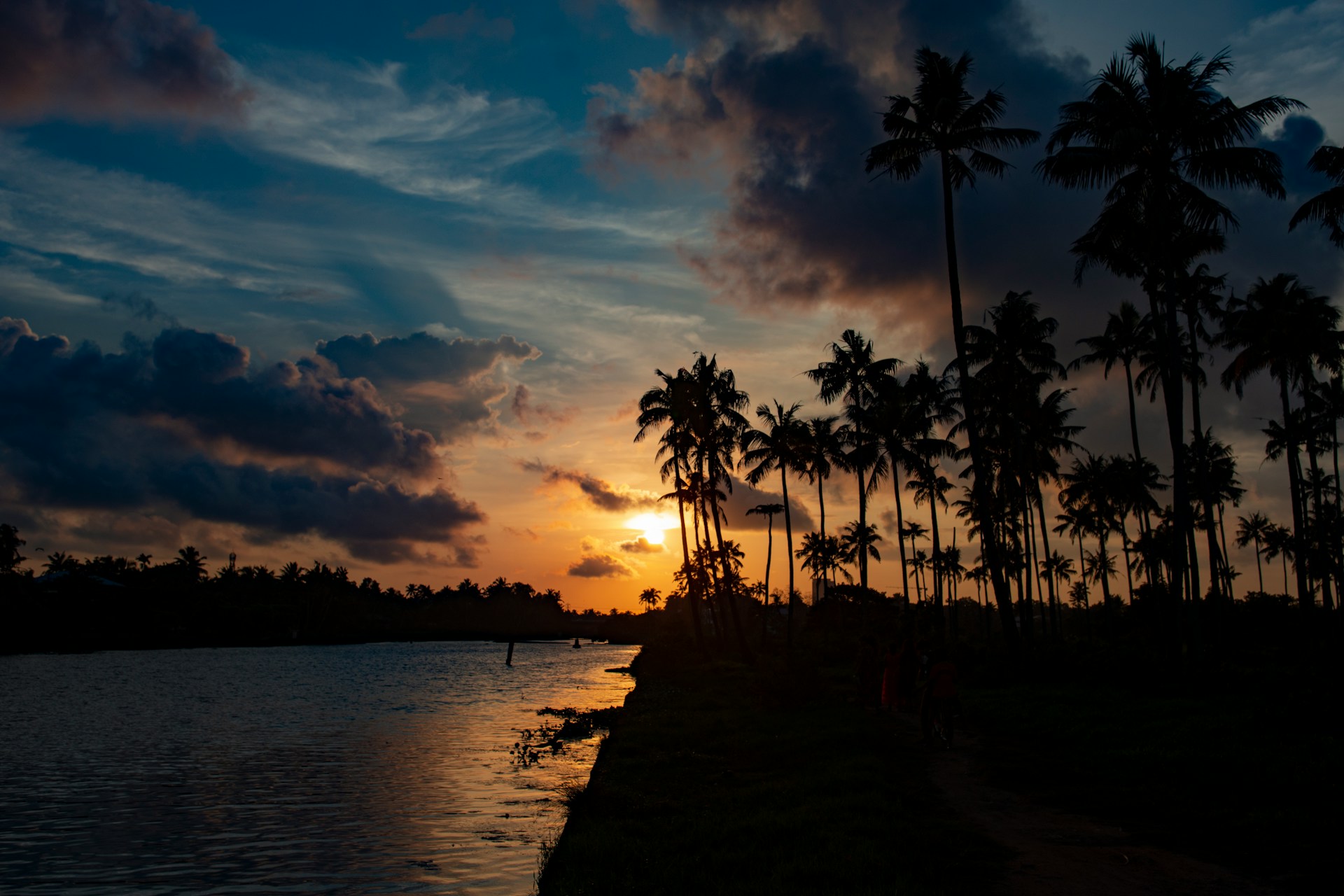
Finding the best time to Visit Kerala so, for the travelers belonging to the UK, the ideal time to visit is between October and March. This is the dry season: temperatures sit comfortably between 25°C and 32°C, humidity is manageable, and the skies are reliably clear. The Kochi Biennale often falls in this window, making December and January especially rewarding for Kerala tourism.
November is a sweet spot – the monsoon has cleared, the landscape is still lush, hotels are not yet at peak prices and the crowds haven’t fully arrived. If you have flexibility for your Kerala holidays, aim for this month.
The Kerala monsoon arrives in June and runs through September. It is dramatic – some of the heaviest rainfall in India falls along this coast – and it transforms the landscape entirely. The hills of Munnar Kerala turn an impossible, electric green, the rivers run full, the Kerala backwaters expand and the air smells of wet earth and flowers. A growing number of travellers seek out monsoon Kerala tourism for its atmosphere and empty roads.
April and May are the hottest months – temperatures climbing above 35°C combined with rising humidity. Not ideal for walking the streets of Fort Kochi. The practical summary for any Kerala travel guide: book between November and February for the most comfortable, rewarding experience.
Fort Kochi works best as the opening chapter of a wider Kerala itinerary – and Kerala rewards slow, unhurried travel more than almost anywhere in India. Begin with two or three nights in Fort Kochi: walk the heritage peninsula, visit the Chinese fishing nets at sunrise, attend a kathakali performance, take the ferry to Mattancherry, eat fish curry by the water.
From Fort Kochi, head inland to Munnar Kerala – a hill station in the Western Ghats at around 1,600 metres, surrounded by rolling tea plantations and cool mountain air that comes as a genuine relief after the coastal heat. From Munnar Kerala, the route winds back down to the Kerala backwaters. Alleppey (Alappuzha) is the hub: a network of canals, lagoons and paddy fields best explored on an overnight houseboat. Watching the sun go down over the water while dinner is prepared on board is one of those travel experiences that fully earns its reputation. Kumarakom, further north on Vembanad Lake, offers a quieter, more intimate version of the same world.
This is the heart of a classic South India itinerary – colonial city, mountain tea country, equatorial waterways – within a remarkably compact geography. A well-planned Kerala holiday trip of ten to fourteen days covers all of it without feeling rushed. For those who prefer local expertise, a structured Kerala tourism tour adds layers of context that independent travel can sometimes miss.
Recommended tour: Tranquil Kerala
By air from the UK, the most straightforward route is a flight to Cochin International Airport (COK). Several airlines operate services from London – direct and via Gulf hubs – with journey times of roughly nine to eleven hours. Flights fill up quickly from December onwards, so plan ahead for peak Kerala holidays season.
From the airport to Fort Kochi is a journey of around 35 kilometres, taking 40–60 minutes depending on traffic. A pre-booked private transfer is the most comfortable option, easily arranged through your hotel or Kerala travel guide operator.
Within Fort Kochi itself, the best transport is your own two feet. The heritage area is compact and entirely walkable. For the crossing to Mattancherry or mainland Ernakulam, the government ferry is the way to go – cheap, frequent and offering harbour views that no road journey can replicate. Auto-rickshaws fill in the gaps throughout Kochi Kerala.
Without question. It’s one of the most historically layered and atmospherically distinctive destinations in India – walkable, relatively calm, and dense with things to see, eat and experience. For UK travellers exploring Kerala tourism for the first time, it’s close to the ideal entry point.
Its iconic Chinese fishing nets, colonial-era churches, the Paradesi Synagogue, the kathakali dance tradition, the Kochi Biennale contemporary art scene, and its remarkable layering of Portuguese, Dutch, British, Jewish and Chinese influences into something entirely its own.
Kochi is considered one of the safer cities in India for international visitors. The Fort Kochi area in particular is well-accustomed to tourists from around the world. Standard sensible travel precautions apply, as they would anywhere.
Jew Town and the local spice markets in Mattancherry are the best places for shopping for antiques and fresh spices like ginger and pepper.
Two to three days is the ideal. That’s enough to walk the heritage area, visit the key Kochi attractions, catch a kathakali performance, eat your way through the local seafood and take the ferry to Mattancherry. A fourth day allows for slower, unplanned wandering.
October to March for reliably good weather, with November and December being particularly recommended. The dry season brings clear skies, comfortable temperatures, and the full Kerala itinerary – Kerala backwaters, hill stations and cultural events – all accessible and at their best.
Absolutely – this combination sits at the heart of most Kerala itinerary plans. Fort Kochi and Alleppey are roughly 1.5 hours apart by road. Most visitors spend two to three nights in Fort Kochi before heading to the Kerala backwaters for an overnight houseboat experience. If you’re coming to Kerala tourism, doing both isn’t an indulgence – it’s rather the point.
It is a traditional Keralan dance-drama where performers wear massive costumes and bright face paint. Our Kerala tours normally include a visit to Kathakali dance centre.

Rakhi Bansal is a specialist travel company creating tailor-made journeys across India and the Indian subcontinent. A passionate traveller and regular contributor to the Indian Odyssey blog, she shares insights, travel inspiration, and expert advice on destinations, culture, wildlife, and authentic travel experiences.


Trip reports, stories from the region
 Sujan Jawai: The Finest Luxury Leopard Safari Experience in India
Sujan Jawai: Where India's Wildest Leopard Safari Meets Quiet Luxury There is a moment — just before the light shifts and the granite hills turn amber — when the landscape of Jawai seems to hold its breath. A silhouette...
Read More Most Beautiful Palace Hotels in Rajasthan
Most Beautiful Palace Hotels in Rajasthan There are a few places on earth where history doesn't just surround you - it actively envelops you, pulls up a chair, and pours you a gin and tonic. Rajasthan is one of...
Read More Kerala Backwaters: A Slow Travel Experience
Kerala Backwaters: Guide to Exploring the Backwaters of Kerala, India Picture the scene: a wooden boat drifting past emerald paddy fields, coconut palms leaning lazily over still water, and the only sound is the gentle slap of the oar. Welcome...
Read More A Complete Guide to Wayanad, Kerala, India
Complete Guide to Wayanad, Kerala, India When you want to escape the daily hustle to get peace and reconnect, spending a few days in nature is best. Wayanad, a captivating hill station in Kerala, is the perfect destination for this....
Read More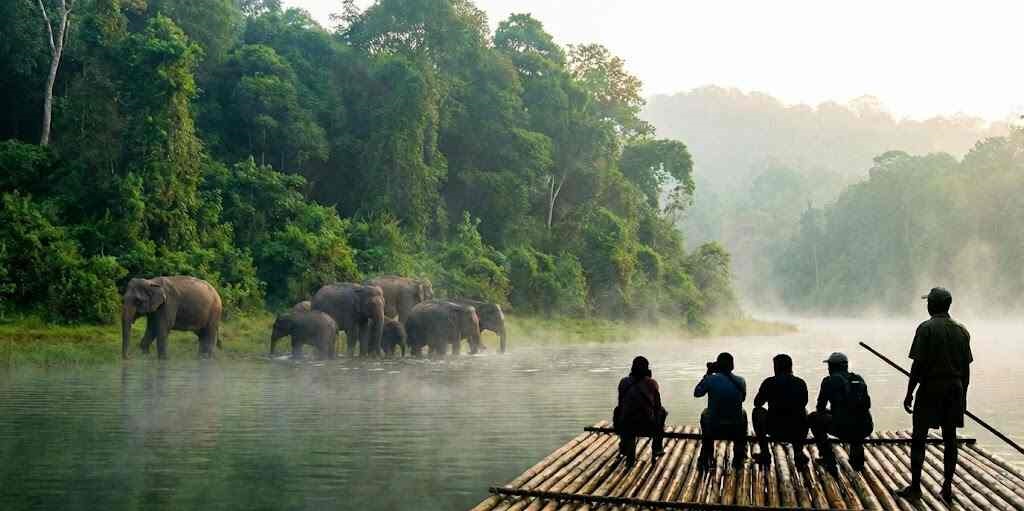 Periyar National Park
Kerala’s Wild Heart: How to Visit Periyar National Park Ethically and Efficiently Introduction: Setting the Scene Imagine stepping off a plane and driving into a world where the air smells sweet and spicy. This is the aroma of fresh cardamom...
Read More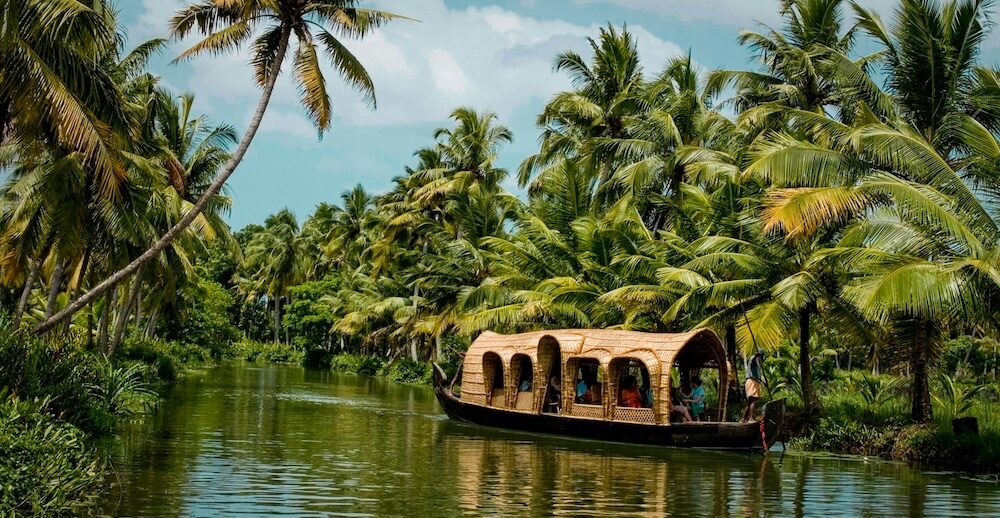 Top attractions in Kerala
Kerala is southern state of India and is popular for its unique blend of nature, culture and wellness. This makes it a perfect place for couples, family and wildlife enthusiasts. It is popularly known as “God’s Own Country,” for this...
Read More North Goa or South Goa: Which is better?
North Goa or South Goa: Which is better? Goa’s sun-kissed shores draw visitors seeking culture, relaxation, and fun. When planning holidays to Goa or especially family holidays to Goa, you might wonder north goa or south goa which is better...
Read More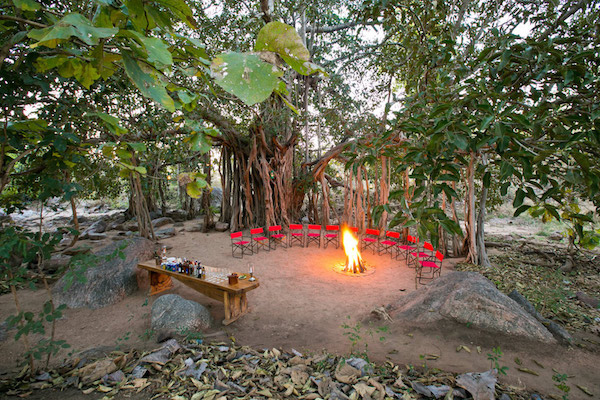 Top Luxury Jungle Camps & Tiger Safari Lodges in India
Top Luxury Jungle Camps & Tiger Safari Lodges in India The excitement of being in the jungle at sunrise, literally seeing and hearing it awaken, not to mention the hope of possibly spying the elusive Bengal Tiger, is almost palpable. Then...
Read More Kovalam Beach Resorts: Your Ultimate Guide to Luxury Stays
Kovalam Beach Resorts: Your Ultimate Guide to Luxury Stays For those exploring Kovalam, a stunning beach destination in Kerala, there is a range of accommodation choices. From opulent beach resorts to authentic Ayurvedic retreats, Kovalam beach resorts cater to every...
Read More Slow Travel Guide: A Smarter Way to See the World
Slow Travel Guide: A Smarter Way to See the World Let's be honest – anyone can snap photos of the Eiffel Tower or zip through Kuala Lumpur's greatest hits in 48 hours. But what if you could do something that...
Read More Top 5 Cultural Indian Subcontinent Tours: India, Sri Lanka & Bhutan
Top 5 Cultural Indian Subcontinent Tours: India, Sri Lanka & Bhutan The Indian subcontinent is home to a rich, colourful culture, vibrant history, and diverse landscapes. From the Himalayas to the Arabian Sea, India, Nepal, and Bhutan make for an...
Read More
Beautiful Small Villa Hotels in Rajasthan
Beautiful Small Villa Hotels in Rajasthan Deciding to visit North India and you wouldn’t miss Rajasthan, a state beaming with royal history, forts, palaces, culture and colourful local life. And when it comes to where would you stay, options are...
Read More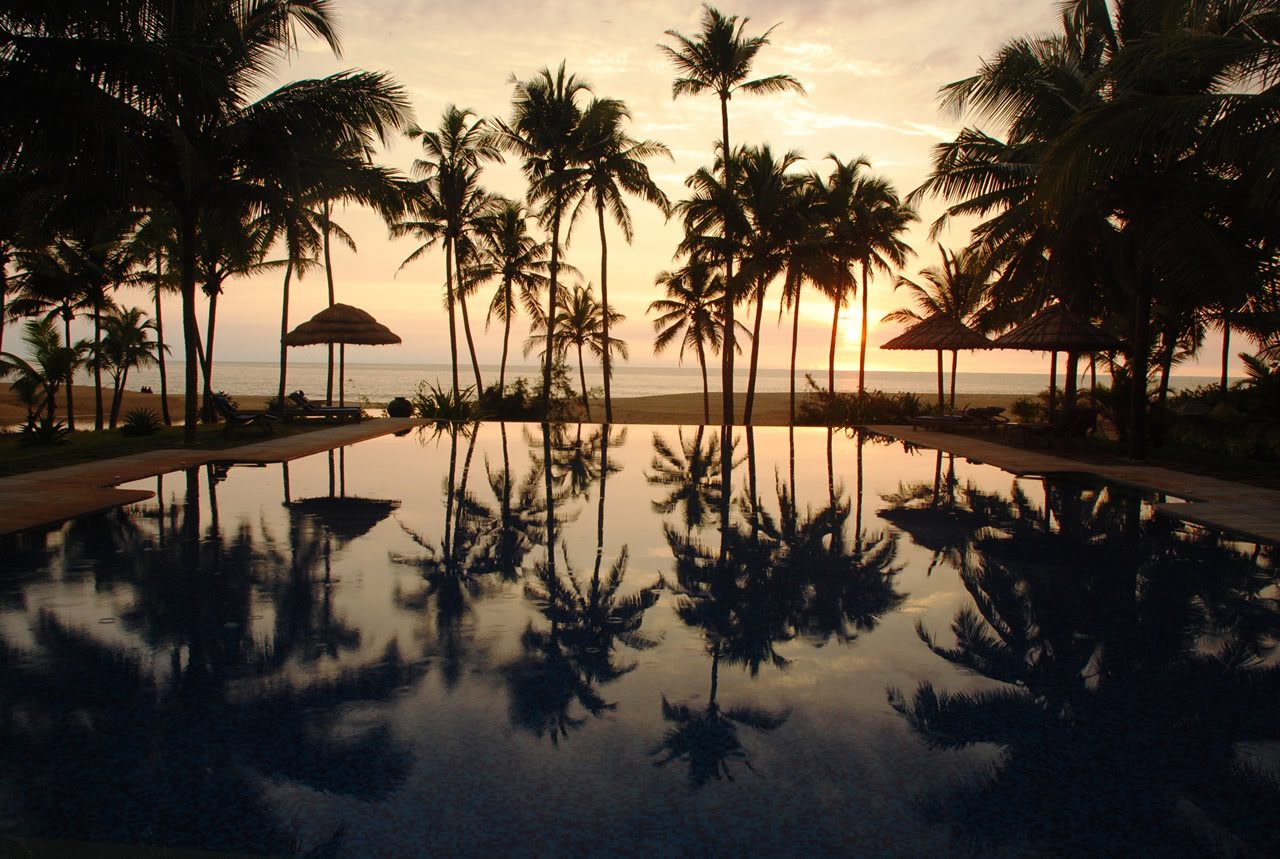 Best beach hotels in India
Best Beach Hotels in India One of the great joys of a trip to India is the amazing range of hotels that you can stay at along the way. After an immersive cultural trip within India, many of our guests...
Read More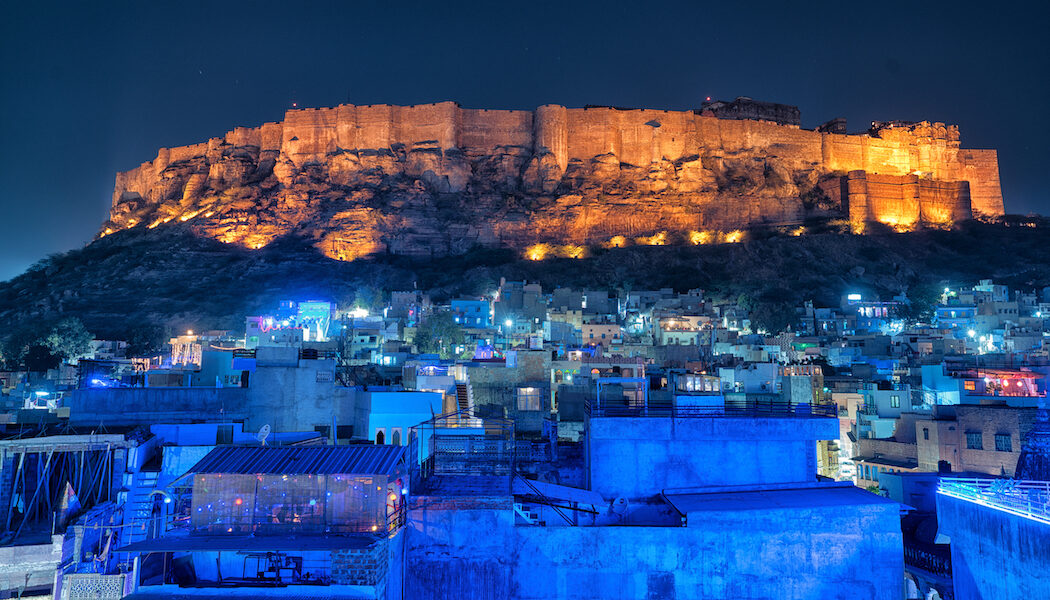 Best places to visit in India
Best places to visit in India India is packed with special features to inspire your India holidays. And there is always more to see and experience in India. Curious? Listed below are our favourite must-see holiday destinations to visit in...
Read More Safari Holiday: Essential Tips Before You Go
Safari Holiday: Essential Tips Before You Go If you are planning a Safari holiday here are some thoughts you should consider before and during your trip. Know before you go It's important to have some idea of what to expect...
Read More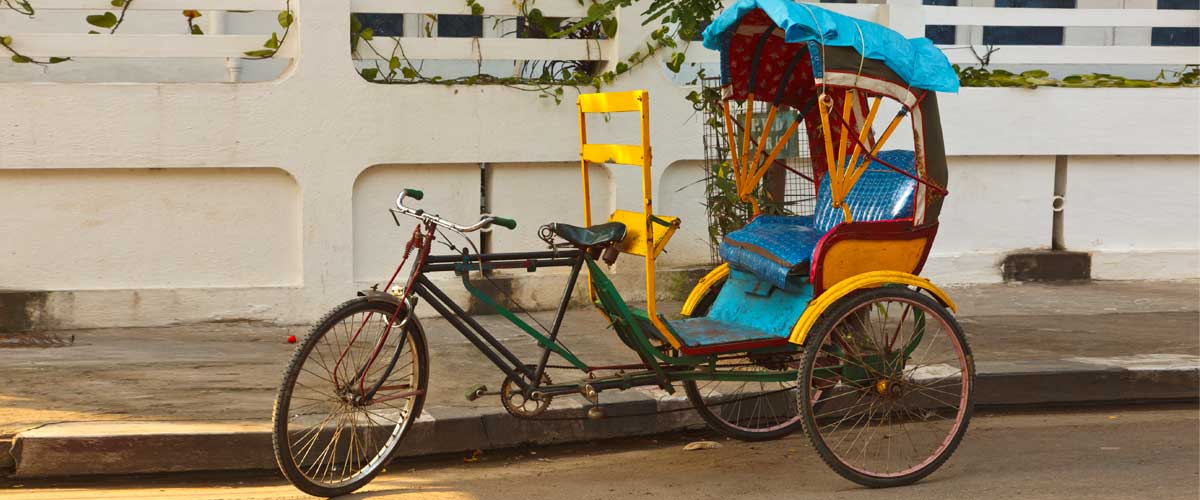 Colonial Cities of India
Colonial Cities of India Swap hectic Indian cities for the tree-lined boulevards of Colonial cities of India. Pondicherry and Thanjavur offers tranquillity of a different kind. Pondicherry on the Bay of Bengal was a French colonial settlement for nearly 200 years – the...
Read More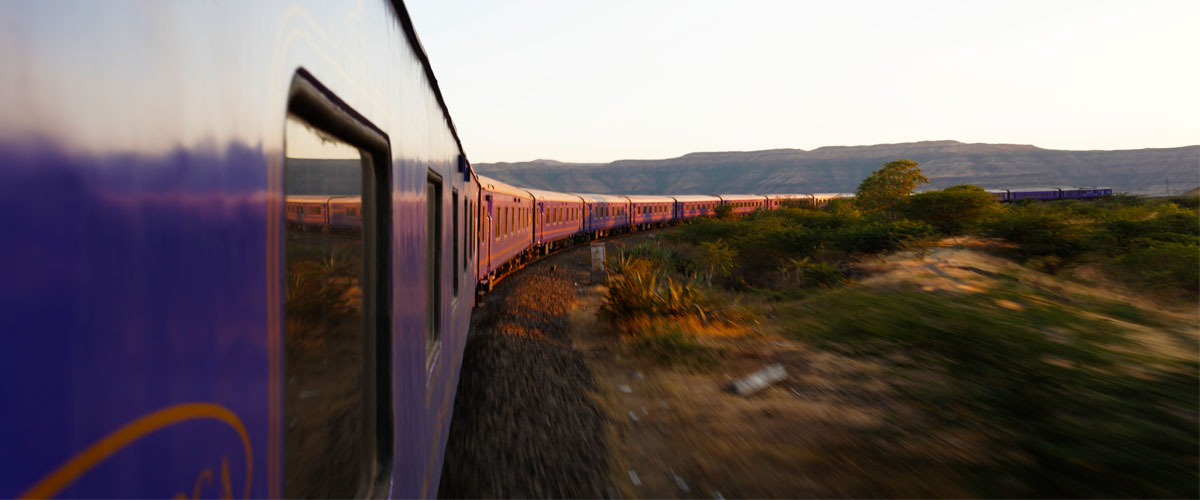 Great Indian Train Journeys
Top 5 Great Indian Train Journeys See India the way it was meant to be seen by taking one of these Top 5 Great Indian Train Journeys. You will experience the true India: ever-changing scenery and the hustle and bustle...
Read More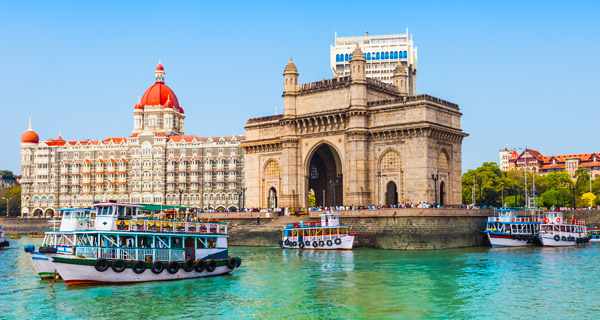 Best Places to Visit in Mumbai
Much like India's capital, many tourists visiting this beautiful country have Mumbai as their starting point. If you are looking for the best places to visit in Mumbai, you will quickly realize it is a city that defines living on...
Read More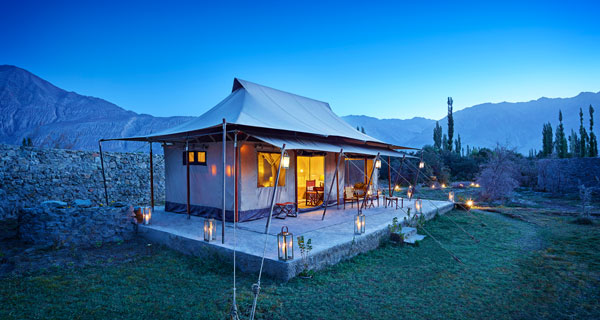 The Ultimate Guide to Glamorous Camping in India
Camping has come a long way in recent years. Gone are the days of lugging heavy tents to the perfect spot only to find that the mosquitoes share your opinion. Glamorous camping, or ‘glamping,’ is a new kind of adventure...
Read More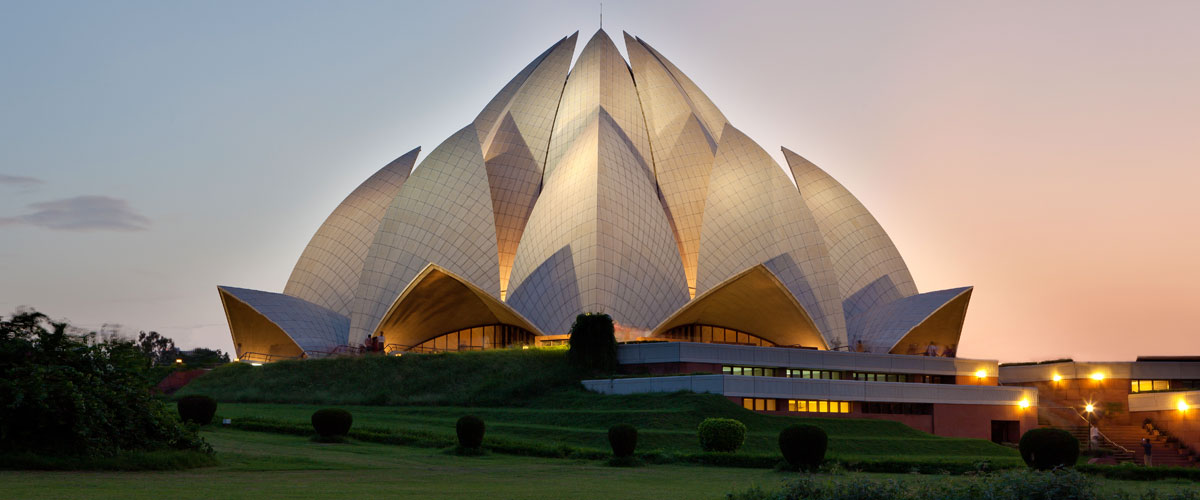 Things to Do in Delhi
Most often than not, for the first time visitor to India, Delhi is their starting point. But not many take the time out to explore this incredible city. Instead they head off on the Golden Triangle route. Delhi has far...
Read More
Thank you so much for all the help and expertise you gave us in organising a great holiday. I thought of writing you a feedback while it is all still fresh in my memory. We had a truly wonderful experience this time,I must say better than last time. It really helped that we stayed in good hotels and had best room choice. The highlights in chronological order would be: Kochin sightseeing of Jew Town, Old Synagogue and Chinese nets, House Boat, Rubber plantation and lunch with the wonderful host couple. Jungle trek in Thekkady and our time in Taj Green.
Thank you so much for all the help and expertise you gave us in organising a great holiday. I thought of writing you a feedback while it is all still fresh in my memory. We had a truly wonderful experience this time,I must say better than last time. It really helped that we stayed in good hotels and had best room choice. The highlights in chronological order would be: Kochin sightseeing of Jew Town, Old Synagogue and Chinese nets, House Boat, Rubber plantation and lunch with the wonderful host couple. Jungle trek in Thekkady and our time in Taj Green.
Without question. It’s one of the most historically layered and atmospherically distinctive destinations in India – walkable, relatively calm, and dense with things to see, eat and experience. For UK travellers exploring Kerala tourism for the first time, it’s close to the ideal entry point.
Its iconic Chinese fishing nets, colonial-era churches, the Paradesi Synagogue, the kathakali dance tradition, the Kochi Biennale contemporary art scene, and its remarkable layering of Portuguese, Dutch, British, Jewish and Chinese influences into something entirely its own.
Kochi is considered one of the safer cities in India for international visitors. The Fort Kochi area in particular is well-accustomed to tourists from around the world. Standard sensible travel precautions apply, as they would anywhere.
Jew Town and the local spice markets in Mattancherry are the best places for shopping for antiques and fresh spices like ginger and pepper.
Two to three days is the ideal. That’s enough to walk the heritage area, visit the key Kochi attractions, catch a kathakali performance, eat your way through the local seafood and take the ferry to Mattancherry. A fourth day allows for slower, unplanned wandering.
October to March for reliably good weather, with November and December being particularly recommended. The dry season brings clear skies, comfortable temperatures, and the full Kerala itinerary – Kerala backwaters, hill stations and cultural events – all accessible and at their best.
Absolutely – this combination sits at the heart of most Kerala itinerary plans. Fort Kochi and Alleppey are roughly 1.5 hours apart by road. Most visitors spend two to three nights in Fort Kochi before heading to the Kerala backwaters for an overnight houseboat experience. If you’re coming to Kerala tourism, doing both isn’t an indulgence – it’s rather the point.
It is a traditional Keralan dance-drama where performers wear massive costumes and bright face paint. Our Kerala tours normally include a visit to Kathakali dance centre.
Get in touch with you for a quick chat to discuss your holiday ideas, no matter how early in your planning process you might be. It's always inspiring to discuss.

