


Some landscapes announce themselves. The Western Ghats do the opposite – they draw you in slowly, through curtains of morning mist, past emerald tea fields that seem to roll on forever, and into forests that have been growing, undisturbed, for tens of millions of years.
Running almost the entire length of peninsular India, the Western Ghats are one of the world’s great natural treasures. Some 1,600 kilometres from the southern tip of Gujarat down through Maharashtra, Goa, Karnataka, Kerala, and Tamil Nadu, the Western Ghats are one of the world’s great natural treasures. And yet they remain, in the best possible way, something that most travellers discover rather than plan for. If you’re exploring South India, the Ghats will find you.
Recognised as a UNESCO World Heritage Site and ranked among the eight most significant biodiversity hotspots on the planet, the Western Ghats India are home to extraordinary wildlife, ancient tribal cultures, luxury eco-retreats, and some of the most cinematic tea and coffee landscapes in Asia. For travellers building a South India itinerary – whether focused on Kerala tourism, and the wildlife in India, or simply seeking somewhere genuinely beautiful and unhurried – this is where the real magic happens.
This guide will take you through everything worth knowing: where to go, when to go, what to expect in the wild, and how to travel here with intention and a sense of wonder.
Geographically, the Western Ghats India form a near-continuous mountain range running parallel to India’s western coastline. They begin in Gujarat in the north, roll through the dense forests of Maharashtra and Goa, become wilder and greener through Karnataka, and reach their most dramatic, biodiverse form in the highlands of Kerala and Tamil Nadu, where peaks rise above 2,500 metres, and rainfall can exceed 7,000 millimetres a year.
The range acts as a climatic wall, trapping the monsoon clouds that sweep in from the Arabian Sea every June. It is this geography that creates everything: the extraordinary rainfall, the cool hill-station towns, the thick shola forests, the rushing waterfalls, and the astonishing density of life packed into these valleys.
For travellers on a South India itinerary, the most rewarding stretches lie in Kerala and Karnataka – where wildlife sanctuaries, tea plantations, spice estates and boutique jungle lodges sit within easy reach of one another. Kerala tourism has grown substantially in recent decades, and the Ghats form its spectacular, breathing green backbone.
In 2012, UNESCO inscribed 39 properties within the Western Ghats as a World Heritage Site, recognising the range as one of the most important biological landscapes on Earth. The designation covers sites across Kerala, Karnataka, Tamil Nadu and Goa, awarded on the basis of the Ghats’ quite extraordinary natural significance.
The Western Ghats contain over 7,000 species of flowering plants. Around 139 mammal species, 508 bird species, 179 amphibian species, and 290 freshwater fish species have been recorded here – a significant proportion found nowhere else in the world. Scientists estimate that around a third of all plant species in India are endemic to the Ghats alone.
But numbers only take you so far. What the UNESCO World Heritage Site designation really recognises is the age and integrity of this ecosystem. The Western Ghats are among the world’s oldest mountain ranges, predating both the Himalayas and the Alps. The forests that drape their slopes – shola grasslands, semi-evergreen rainforests, and moist deciduous jungle – have had millions of years to evolve in relative isolation, producing a biodiversity hotspot unlike anywhere else on Earth.
These are not simply pretty hills. They are one of the planet’s irreplaceable natural archives.
The range is vast, but for travellers, a handful of destinations define the Western Ghats experience. Each has its own character – its own pace, its own landscape, its own particular magic.
There is a moment, driving into Munnar, when the landscape shifts. The road climbs, the air cools, and suddenly the entire hillside is a carpet of deep green – row upon row of tea bushes rolling over every ridge and valley as far as the eye can reach. It is one of South India’s most iconic vistas, and it doesn’t disappoint in person.
Munnar sits at around 1,600 metres in the Kerala highlands, one of the finest hill stations in India and the heart of the country’s premium tea country. The tea plantations here, many established during the British colonial era, produce some of India’s most distinctive high-grown teas. Walking through them at dawn, when mist still pools in the valleys below, is a genuinely enchanting experience – quiet, cool, and unhurried in a way that feels increasingly rare.
Beyond the tea, Munnar offers cool mountain air that provides blessed relief after India’s lowland heat, a handful of beautifully positioned boutique properties, scenic drives through Eravikulam National Park (home to the endangered Nilgiri tahr), and a pace of life that encourages you to put your phone away entirely.
Periyar National Park, set around a shimmering reservoir in the Cardamom Hills, is one of the most celebrated wildlife sanctuaries in India – and one of the Western Ghats’ absolute highlights. It is a designated Tiger Reserve, and while the park is rightly famous for its Bengal tiger population, it is equally well-known for its substantial herds of Asian elephants.
The classic Periyar experience is a boat safari on Lake Periyar – drifting silently across the water at dawn or dusk as elephants emerge from the forest to drink, spotted deer pick their way along the shoreline, and hornbills cross overhead in the copper light. Wildlife in India rarely feels this intimate. This is not the arid drama of Rajasthan; it is greener, quieter, and somehow more affecting.
For those seeking a tiger safari in India with a different sensibility, guided forest walks with trained tribal trackers offer something the jeep safari cannot: stillness, proximity, and the particular electricity of moving through the jungle on foot. The surrounding hills are carpeted with cardamom and spice plantations, and several excellent jungle lodges sit close to the park boundary – making Periyar one of the Western Ghats’ finest overnight stops.
Wayanad, tucked into the northern highlands of Kerala, feels like the Western Ghats at their most untouched. Dense rainforest covers much of the district, broken by coffee and pepper plantations, rocky river valleys, and waterfalls that appear without warning from between the trees.
It is also the heartland of eco tourism in India in its most genuine form. Wayanad has developed a reputation for responsible, community-rooted travel – from tribal heritage walks led by members of the indigenous Adivasi communities, to birdwatching through the Muthanga Wildlife Sanctuary. Trekking in India rarely comes with such varied, sensory scenery: in a single morning, you might move through spice forests, open grassland and misty shola woodland, each with its own sounds and smells.
The accommodation scene here has matured beautifully, with forest retreats and treetop lodges offering genuine immersion without sacrificing comfort. Wayanad rewards travellers who prefer depth over distance.
Coorg – known locally as Kodagu – occupies a special place in India’s travel imagination. Perched in the Karnataka highlands at elevations up to 1,525 metres, it is a land of coffee estates, cascading waterfalls, and a proud Kodava culture that sets it apart from anywhere else in South India.
The coffee here is exceptional. Arabica and Robusta estates cover the hillsides in a patchwork of deep green, and staying at a plantation property – waking to the scent of blossoms, watching mist rise off the valley with a cup in hand – is one of India’s great slow travel experiences. Coorg is not a place for rushing.
For travellers seeking luxury South India holidays, Coorg offers some of the most characterful boutique stays in the country: converted planters’ bungalows, estate guesthouses, and intimate heritage properties that feel entirely removed from the outside world. Abbey Falls, Raja’s Seat, and the golden temples of Bylakuppe add texture to any visit.
You don’t come to the Western Ghats to tick off a species list. You come to feel the presence of wild things – to understand that you are moving through a landscape that has been alive, in exactly this form, for longer than human civilisation.
In the predawn stillness of a Periyar forest walk, it is the sound that reaches you first. A low rumble, somewhere in the trees. A branch pushed aside. Then the shape resolves itself from the mist – a full-grown elephant, close enough to hear its breathing, entirely indifferent to your presence. These are the moments that Western Ghats wildlife delivers, if you come with patience and the right guides.
Asian elephants are the flagship species, found throughout the major sanctuaries – particularly in Wayanad, Periyar, Nagarhole and Kabini. Bengal tigers move through Periyar, the Anaimalai range and the forests of Karnataka, though sightings require luck and silence in equal measure. Leopards are present throughout the range, largely nocturnal and all the more thrilling for it.
The lion-tailed macaque – shaggy, silver-maned, and found only in these rainforests – is one of the world’s rarest primates, and seeing one in the wild feels like a genuine privilege. The Nilgiri tahr, a stocky mountain goat endemic to the Ghats’ high grasslands, is best spotted in Eravikulam National Park near Munnar. Indian wild dogs (dholes) hunt in cooperative packs through the mixed forests, and are among the most exciting wildlife encounters the Ghats offer.
Then there are the birds. Nearly 510 species have been recorded in the Western Ghats, many of them endemic. For serious birdwatchers, a Kerala wildlife holiday centred on the Ghats – particularly the wetter forests around Wayanad, Silent Valley and the Anaimalai – represents one of Asia’s great ornithological experiences. Malabar trogons, Nilgiri flycatchers, Sri Lanka frogmouths: the list goes on in the most wonderful way.
India wildlife holidays built around the Ghats offer something subtly different from the famous reserves of the north – less about the iconic single sighting, more about sustained immersion in one of the world’s most complex ecosystems.
The Western Ghats have four distinct moods across the year, and the right time to visit depends entirely on what you are hoping to experience.
October to March is the best overall window for most travellers. Skies are clear, temperatures across the hill stations drop pleasantly, and the forests are still lush from the monsoon rains. This is the ideal period for a South India itinerary that combines wildlife, hill stations, Kerala’s backwaters and the Malabar Coast. The light is exceptional, the wildlife is active, and the roads are clear.
April and May offer good wildlife visibility as vegetation thins around water sources and animals are drawn into the open. Temperatures at lower elevations can be intense, but the hill stations remain comfortable and the larger sanctuaries are rewarding for those specifically focused on India wildlife holidays.
June to September – the monsoon – transforms the Western Ghats entirely. Waterfalls erupt from every hillside, the forests turn an almost electric shade of green, rivers run full and fast, and the whole landscape takes on a dramatic, brooding intensity that is unlike anything else in India travel. Some roads close and leeches emerge on the forest trails, but for travellers who embrace the season rather than resist it, the Western Ghats in monsoon are genuinely extraordinary. Most wildlife sanctuaries reduce access during this period.
For most Kerala itinerary planning, November through February is the sweet spot – comfortable, clear and at its most photogenic.
The Western Ghats are not extreme adventure territory – and that is precisely what makes them so widely appealing. Trekking in India here is less about conquering peaks and more about immersion: moving slowly through remarkable landscapes, stopping to listen, learning to notice what you would otherwise walk past.
In Wayanad and Coorg, guided plantation walks take you through coffee and cardamom estates where every step releases a new scent into the warm air. In Munnar, short to moderate hikes through the Eravikulam buffer zone reach viewpoints that stretch for hundreds of kilometres on a clear morning. In Periyar and Kabini, guided forest walks replace the jeep safari’s speed with a deeper, more demanding engagement with the jungle – one that rewards patience and silence.
Birdwatching is a significant draw throughout the range, particularly in the denser forests of Wayanad, Silent Valley and the Anaimalai hills. Nature holidays in India rarely offer such accessible, expert-guided wildlife immersion – no specialist equipment required, no brutal 3 am starts that leave you unable to enjoy the afternoon.
River experiences add another layer: coracle rides on the Cauvery in Coorg, bamboo rafting in Wayanad, and boat safaris on Periyar Lake all offer a different perspective on the landscape. The Ghats are also increasingly popular for responsible wildlife photography, with local naturalist guides who bring genuine knowledge and infectious enthusiasm to every outing.
10–12 Days: Palaces, Forests and the Malabar Coast
This South India itinerary connects the Ghats’ finest landscapes with Kerala’s backwaters and Karnataka’s cultural heartland. It works beautifully with a private driver and pre-arranged accommodation, and can be extended in either direction.
Mysore (Days 1–2). Begin in Karnataka’s royal city. The magnificent Mysore Palace, the fragrant Devaraja Market, and Chamundi Hill at sunrise set the cultural tone beautifully. Mysore is one of India’s most elegant cities, and it anchors the itinerary with grace.
Kabini (Days 3–4). Drive south into the Nagarhole forests. Kabini reservoir is one of India’s finest wildlife destinations – elephant herds at the waterline at dusk, leopards in the canopy at night, and some of the most atmospheric wildlife lodges in the country. A serious contender for the best wildlife days of any India itinerary.
Wayanad (Days 5–6). Cross into Kerala and ascend through coffee country into Wayanad’s rainforest highlands. Tribal heritage walks, waterfall hikes, and evenings on the verandah of a forest retreat listening to cicadas. Eco tourism in India is at its most genuine.
Ooty (Day 7). A nostalgic interlude in the Nilgiri hills – the famous mountain railway, botanical gardens laid out in 1848, and cool air that feels a long way from the plains.
Cochin / Kochi (Day 8). Descend to the Malabar Coast and the extraordinary layered city of Kochi – Fort Cochin’s Portuguese churches, the Chinese fishing nets at sunset, and Kerala’s finest table. A city that rewards an afternoon’s unhurried walking.
Periyar (Days 9–10). Head east into the Cardamom Hills. Dawn boat safaris on Lake Periyar, guided jungle walks, spice plantation tours, and the particular peace of a good jungle lodge with forest on three sides.
Kerala Backwaters (Days 11–12). End on the water. A houseboat through the backwaters of Alleppey or Kumarakom – watching the world slow to the pace of a punted pole and the sound of kingfishers in the rushes. The perfect close to a luxury India tour.
This India itinerary can be adjusted for length, pace and specific interests. Those focused purely on wildlife might linger longer in Kabini and Periyar; those drawn to landscape and slow travel might extend their time in Wayanad and Coorg.
The Western Ghats are not inexhaustible. They are, for all their grandeur, a fragile ecosystem under real and growing pressure – from agricultural encroachment, from infrastructure development, and from the increasing volume of visitors drawn to their beauty each year.
Responsible tourism in India has come a long way in the past decade, and the Ghats have been at the forefront of that shift. Many of the finest lodges in the region are genuinely committed to low-impact design, local employment, and direct investment in conservation. Solar power, rainwater harvesting, plastic-free policies and community ownership models are increasingly the norm at the best eco tourism India properties – not a marketing add-on, but the architecture of how the place actually works.
Choosing where you stay matters more here than almost anywhere else. A well-run eco lodge in Wayanad might employ former agricultural workers as naturalist guides, fund local school programmes, and actively monitor wildlife corridors on its land. Ask questions before you book, and prefer operators who can answer them specifically.
Beyond accommodation, slow travel is the philosophy that suits the Ghats best. Stay longer in fewer places. Walk rather than drive where you can. Take a local guide rather than a generic group tour. Buy spices, coffee and honey directly from estate shops rather than hotel gift counters. India eco travel at its best is not a set of rules – it is a disposition towards engagement, curiosity and care.
The Western Ghats have survived for millions of years. With the right kind of attention from the travellers who love them, they will survive our presence, too.
There are places in the world that change the way you think about travel. The Western Ghats in India is one of them.
This is a landscape of extraordinary depth – layered with ecology, culture, history and natural beauty – and it repays the attention you bring to it. From the mist-drenched tea estates of Munnar to the elephant-haunted shores of Kabini, from Coorg’s coffee-scented highlands to the spice trails around Periyar, the Ghats offer south India travel at its most rewarding: slow, sensory, full of genuine surprise, and rooted in a landscape that feels profoundly, irreplaceably alive.
Whether you are drawn by wildlife, by landscape, by culture, or simply by the desire to be somewhere that asks something of you, the UNESCO World Heritage Site of the Western Ghats will not disappoint. Build it into your South India itinerary, give it the time it deserves, and travel with curiosity. Luxury India tours of this region are at their finest when they leave room for the unexpected – and in the Western Ghats, the unexpected is never far away.
The Western Ghats are famous as one of the world’s eight most significant biodiversity hotspots and a UNESCO World Heritage Site. Running nearly 1,600 kilometres down the western edge of peninsular India, they are home to extraordinary wildlife – including elephants, tigers and lion-tailed macaques – thousands of endemic plant species, and some of India’s finest tea and coffee country. They are also the ecological engine of South India, generating the rainfall that sustains the region’s rivers and agriculture.
October to March is the best overall window – clear skies, pleasant temperatures across the hill stations, and active wildlife. April and May offer good wildlife visibility as the landscape dries slightly. The monsoon season (June to September) is dramatic and beautiful, but it reduces access to some sanctuaries and trekking routes.
For most travellers, the highlights are Munnar (Kerala’s tea highlands), Periyar National Park (wildlife and lake safaris), Wayanad (eco retreats and rainforest trekking), Coorg (coffee estates and boutique stays), and Kabini in Karnataka (exceptional elephant and wildlife sightings). A well-planned itinerary can connect several of these across 10–14 days.
The Western Ghats are home to Bengal tigers, Asian elephants, leopards, Indian wild dogs, lion-tailed macaques, Nilgiri tahr, sloth bears, and over 500 bird species – many found nowhere else on earth. Major wildlife destinations within the Ghats include Periyar National Park, Kabini (Nagarhole), the Anaimalai Tiger Reserve and the Parambikulam Tiger Reserve.
Yes. The Western Ghats were inscribed as a UNESCO World Heritage Site in 2012, with 39 separate properties across Kerala, Karnataka, Tamil Nadu and Goa. The designation recognises the Ghats’ exceptional biodiversity, their extraordinary proportion of endemic species, and the antiquity and ecological integrity of these ancient forests. It is one of the most significant UNESCO sites in India from a natural heritage perspective.


Trip reports, stories from the region
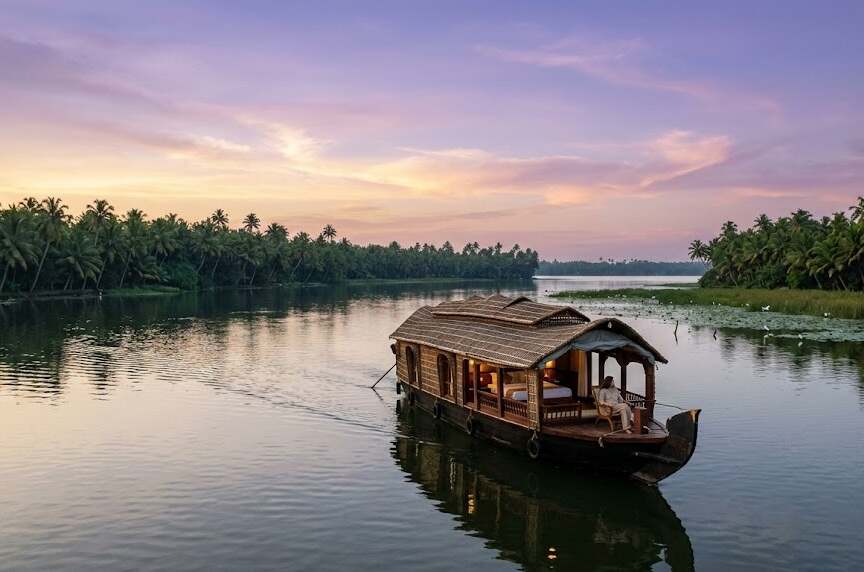 The Discerning Traveler’s Guide to a Boathouse in Kumarakom
There is a specific kind of silence found only on the waters of Lake Vembanad. It is not a hollow or empty quiet, but rather a sophisticated symphony of organic textures: the rhythmic, wet slap of a long bamboo pole...
Read More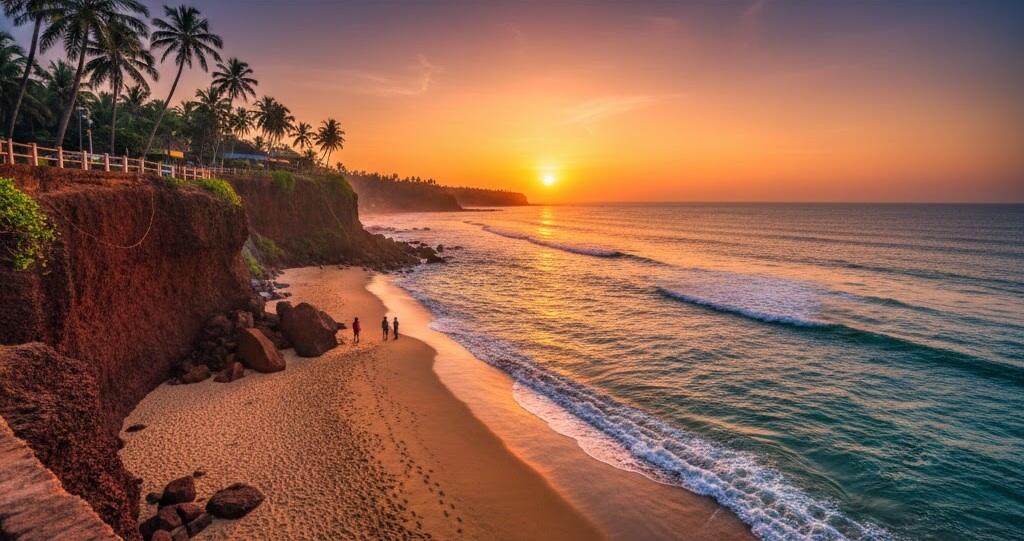 The Complete Guide to Varkala Beach
Imagine standing on a high, bright red cliff. Below you, the turquoise Arabian Sea crashes against golden sands. The air smells like salt, fresh coconut oil, and brewing coffee. This isn't a typical busy Indian city with honking horns and...
Read More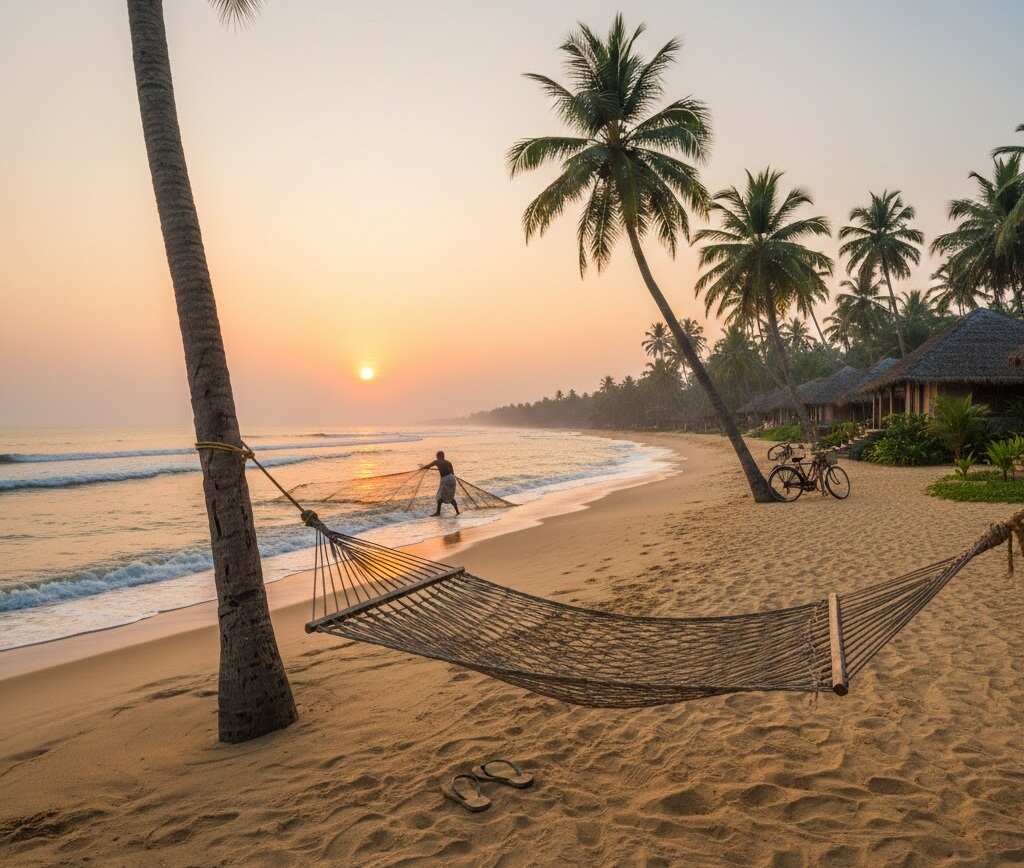 The Complete Guide to Marari Beach: Kerala’s Barefoot Luxury Sanctuary
The Complete Guide to Marari Beach: Kerala’s Barefoot Luxury Sanctuary For the seasoned traveler, India is a breathtaking whirlwind of sensory peaks and constant motion. Whether you have spent the week navigating the vibrant spice markets of Old Delhi...
Read More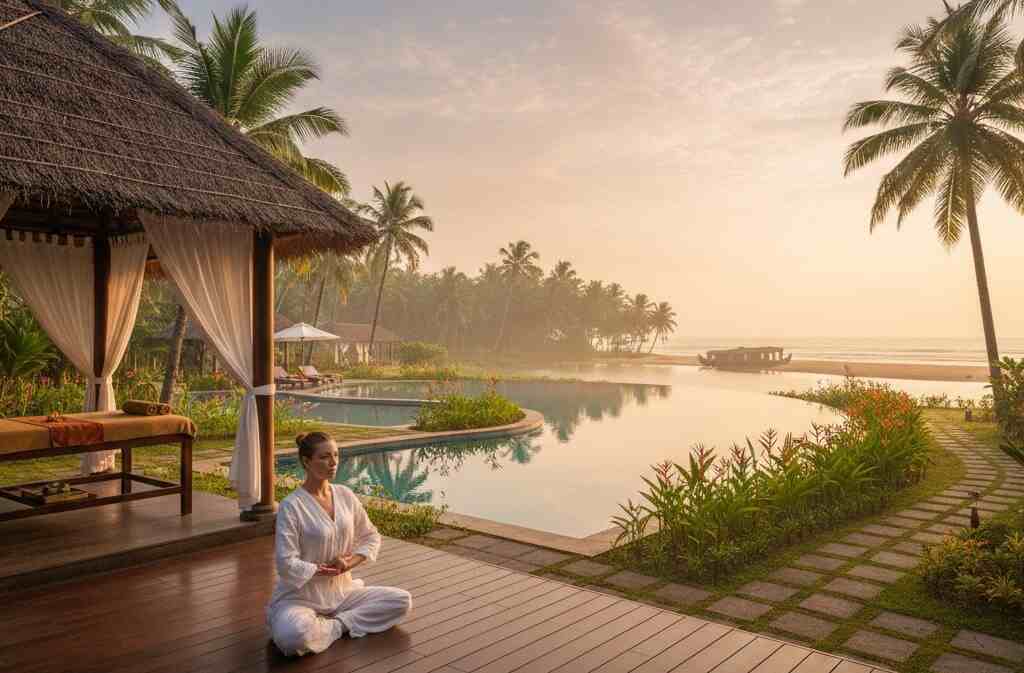 Best Authentic Ayurvedic Retreats in Kerala for Westerners (2026 Guide)
Best Authentic Ayurvedic Retreats in Kerala for Westerners (2026 Guide) Finding the right place for healing can feel overwhelming, especially when you are traveling thousands of miles away from home. If you are searching for Ayurvedic retreats in Kerala for...
Read More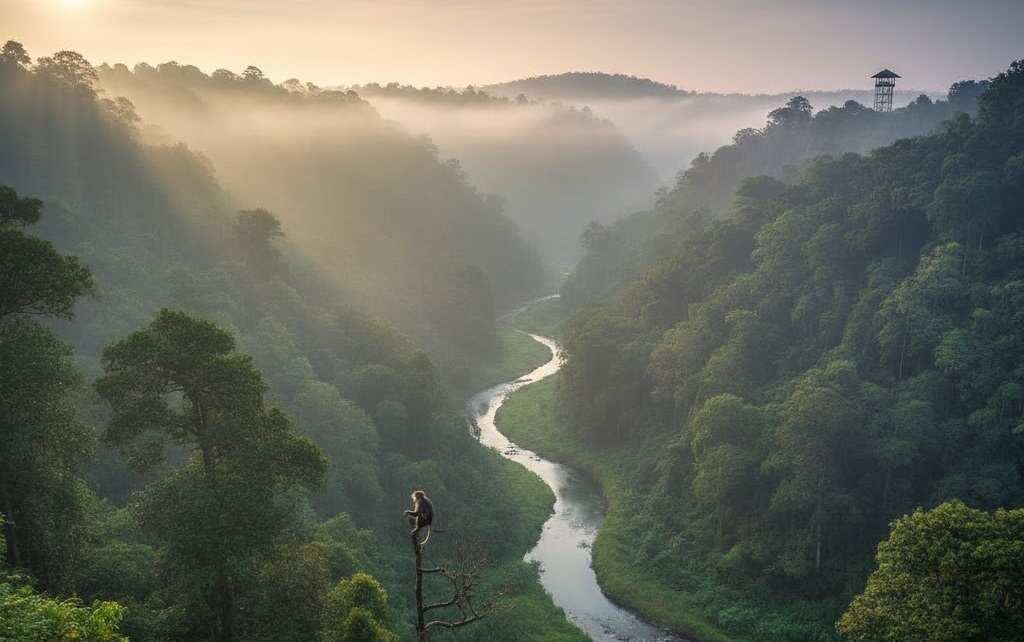 Silent Valley National Park in Kerala: A UNESCO Heritage Gem
Imagine a place where the air is so pure it tastes sweet and the heavy scent of moss and wild orchids fills your lungs. This is not a fairy tale found in a dusty book; it is Silent Valley National...
Read More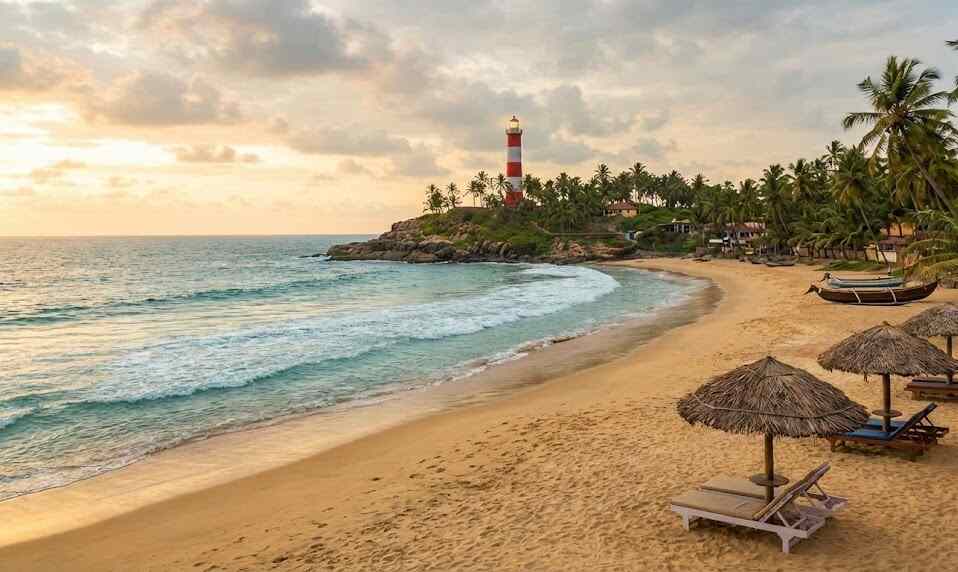 Kovalam Beach: The Perfect “Soft Landing” in India
Are you staring out your window at a grey, rainy sky? In cities like London, Berlin, or New York, the winter months often feel endless. You must wear heavy coats, scarves, and boots just to walk to the shops. Now,...
Read More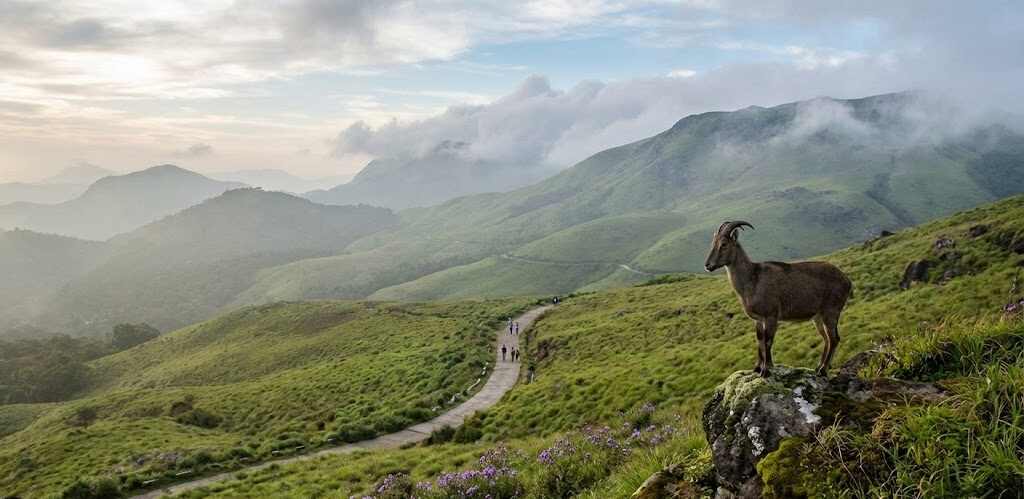 Eravikulam National Park in Kerala: A Complete Travel Guide
The landscape of Eravikulam National Park in Kerala is truly unique and breathtaking. When you first arrive, you might feel confused about your location. You are in South India, but the view looks exactly like the Scottish Highlands. You see...
Read More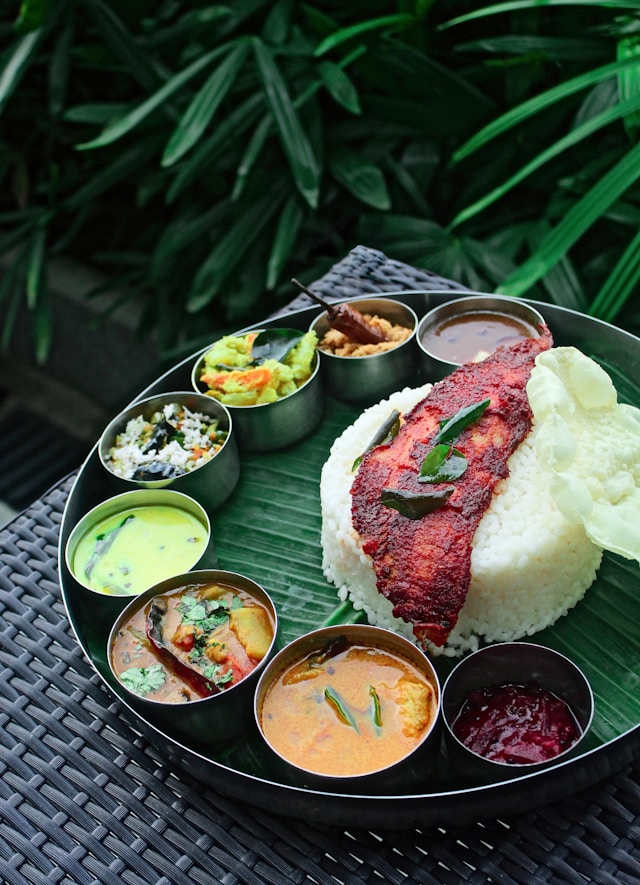 The Ultimate Guide to a Traditional Kerala Meal
Picture yourself sitting on a cool floor in a tropical paradise. Outside, lush green palm trees wave gently in the wind. You will not see a standard ceramic plate in front of you. Instead, a fresh, bright green banana leaf...
Read More Best places to visit in India
Best places to visit in India India is packed with special features to inspire your India holidays. And there is always more to see and experience in India. Curious? Listed below are our favourite must-see holiday destinations to visit in...
Read More Safari Holiday: Essential Tips Before You Go
Safari Holiday: Essential Tips Before You Go If you are planning a Safari holiday here are some thoughts you should consider before and during your trip. Know before you go It's important to have some idea of what to expect...
Read More Colonial Cities of India
Colonial Cities of India Swap hectic Indian cities for the tree-lined boulevards of Colonial cities of India. Pondicherry and Thanjavur offers tranquillity of a different kind. Pondicherry on the Bay of Bengal was a French colonial settlement for nearly 200 years – the...
Read More Great Indian Train Journeys
Top 5 Great Indian Train Journeys See India the way it was meant to be seen by taking one of these Top 5 Great Indian Train Journeys. You will experience the true India: ever-changing scenery and the hustle and bustle...
Read More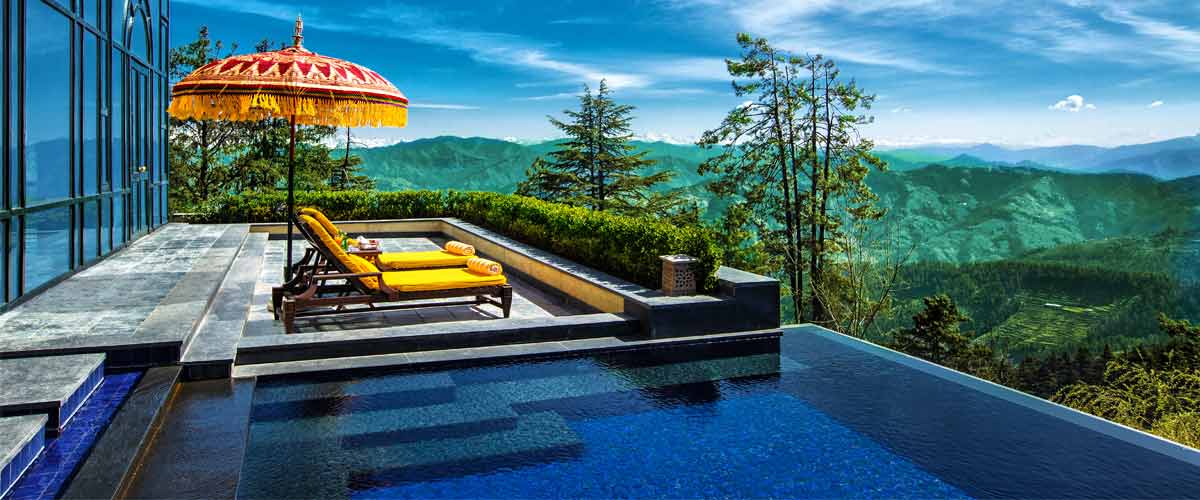 Top 5 Spa Hotels in India
Anyone that undertakes long haul travel will tell you to take time out to truly relax. While on holiday you want to experience the sites and sounds of the country you are visiting but you should remember to take some ‘me time’....
Read More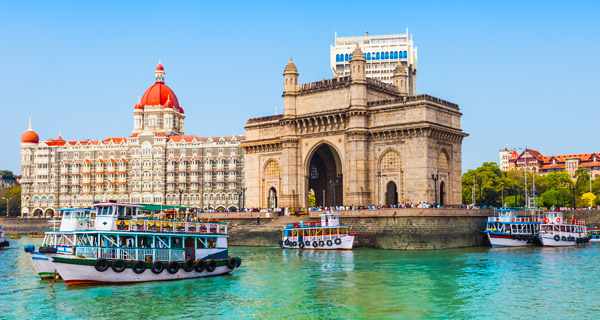 Best Places to Visit in Mumbai
Much like India's capital, many tourists visiting this beautiful country have Mumbai as their starting point. If you are looking for the best places to visit in Mumbai, you will quickly realize it is a city that defines living on...
Read More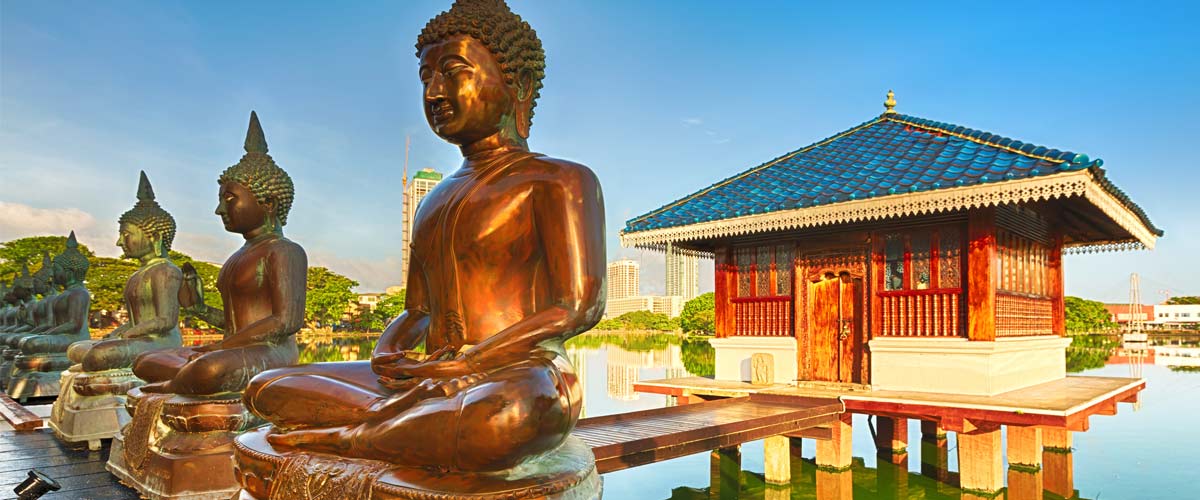 Things to Do in Colombo Sri Lanka
Things to Do in Colombo Sri Lanka: The Ultimate Weekend Guide Sri Lanka is one of Asia’s richest treasure troves of both natural and man-made wonders. Royal and sacred cities, colonial strongholds, temple caves and virgin forests with no fewer...
Read More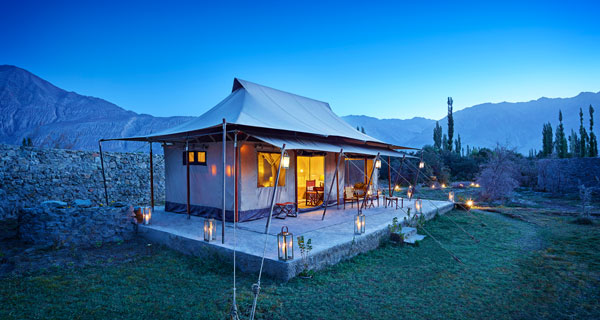 The Ultimate Guide to Glamorous Camping in India
Camping has come a long way in recent years. Gone are the days of lugging heavy tents to the perfect spot only to find that the mosquitoes share your opinion. Glamorous camping, or ‘glamping,’ is a new kind of adventure...
Read More Things to Do in Delhi
Most often than not, for the first time visitor to India, Delhi is their starting point. But not many take the time out to explore this incredible city. Instead they head off on the Golden Triangle route. Delhi has far...
Read More
Thank you so much for all the help and expertise you gave us in organising a great holiday. I thought of writing you a feedback while it is all still fresh in my memory. We had a truly wonderful experience this time,I must say better than last time. It really helped that we stayed in good hotels and had best room choice. The highlights in chronological order would be: Kochin sightseeing of Jew Town, Old Synagogue and Chinese nets, House Boat, Rubber plantation and lunch with the wonderful host couple. Jungle trek in Thekkady and our time in Taj Green.
Thank you so much for all the help and expertise you gave us in organising a great holiday. I thought of writing you a feedback while it is all still fresh in my memory. We had a truly wonderful experience this time,I must say better than last time. It really helped that we stayed in good hotels and had best room choice. The highlights in chronological order would be: Kochin sightseeing of Jew Town, Old Synagogue and Chinese nets, House Boat, Rubber plantation and lunch with the wonderful host couple. Jungle trek in Thekkady and our time in Taj Green.
The Western Ghats are famous as one of the world’s eight most significant biodiversity hotspots and a UNESCO World Heritage Site. Running nearly 1,600 kilometres down the western edge of peninsular India, they are home to extraordinary wildlife – including elephants, tigers and lion-tailed macaques – thousands of endemic plant species, and some of India’s finest tea and coffee country. They are also the ecological engine of South India, generating the rainfall that sustains the region’s rivers and agriculture.
October to March is the best overall window – clear skies, pleasant temperatures across the hill stations, and active wildlife. April and May offer good wildlife visibility as the landscape dries slightly. The monsoon season (June to September) is dramatic and beautiful, but it reduces access to some sanctuaries and trekking routes.
For most travellers, the highlights are Munnar (Kerala’s tea highlands), Periyar National Park (wildlife and lake safaris), Wayanad (eco retreats and rainforest trekking), Coorg (coffee estates and boutique stays), and Kabini in Karnataka (exceptional elephant and wildlife sightings). A well-planned itinerary can connect several of these across 10–14 days.
The Western Ghats are home to Bengal tigers, Asian elephants, leopards, Indian wild dogs, lion-tailed macaques, Nilgiri tahr, sloth bears, and over 500 bird species – many found nowhere else on earth. Major wildlife destinations within the Ghats include Periyar National Park, Kabini (Nagarhole), the Anaimalai Tiger Reserve and the Parambikulam Tiger Reserve.
Yes. The Western Ghats were inscribed as a UNESCO World Heritage Site in 2012, with 39 separate properties across Kerala, Karnataka, Tamil Nadu and Goa. The designation recognises the Ghats’ exceptional biodiversity, their extraordinary proportion of endemic species, and the antiquity and ecological integrity of these ancient forests. It is one of the most significant UNESCO sites in India from a natural heritage perspective.
Get in touch with you for a quick chat to discuss your holiday ideas, no matter how early in your planning process you might be. It's always inspiring to discuss.

